This post was originally published in November 2021. Last updated: January 2026.
Your garage isn't just a space to park your car — it's a workshop, storage area, and sometimes even a hangout spot. Having walls that can stand up to the demands of these varied uses is crucial. Traditional drywall, while common, can fall short when it comes to durability and functionality. Think about it: moisture damage, dents from tools, and wear and tear can all take a toll. So, what's the solution? Let's dive into some superior alternatives that can elevate your garage walls.
Why Replace Drywall in Your Garage?
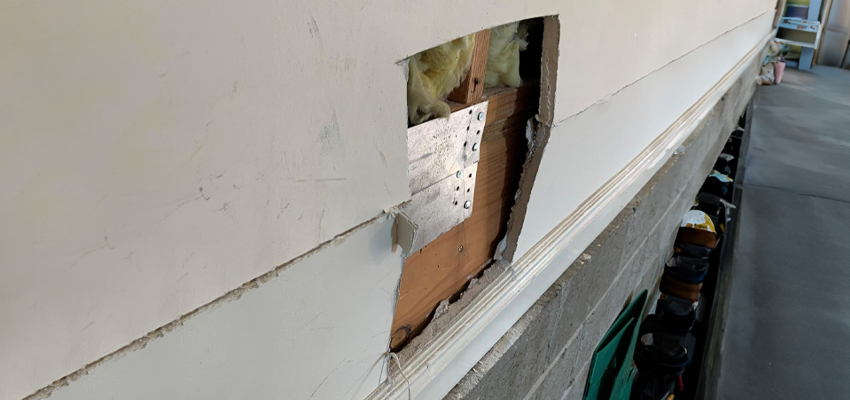
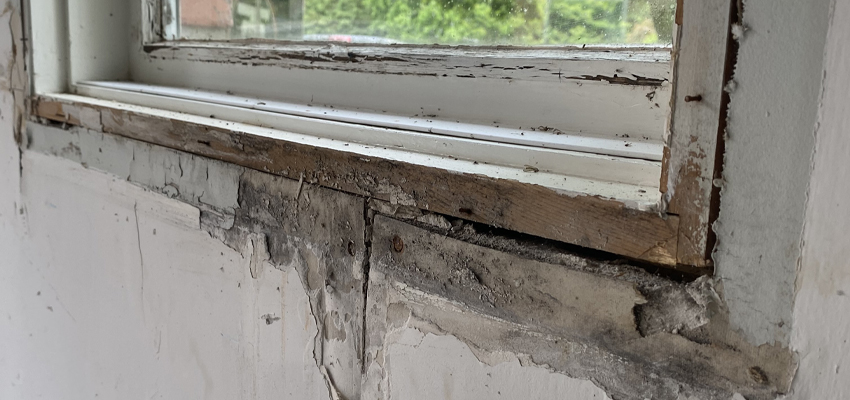
While drywall works well inside climate-controlled living spaces, garages place very different demands on wall materials. Moisture exposure, temperature swings, accidental impacts, and ongoing maintenance all contribute to why homeowners look for drywall alternatives for garages. Choosing a more durable, moisture-resistant wallboard alternative can significantly extend the lifespan and usability of your garage.
What Are the Disadvantages of Using Drywall in a Garage?
Drywall, despite its widespread use in interior construction, comes with a set of disadvantages when utilized in garage environments. Let's delve deeper into these drawbacks:
Common drywall limitations in garages include:
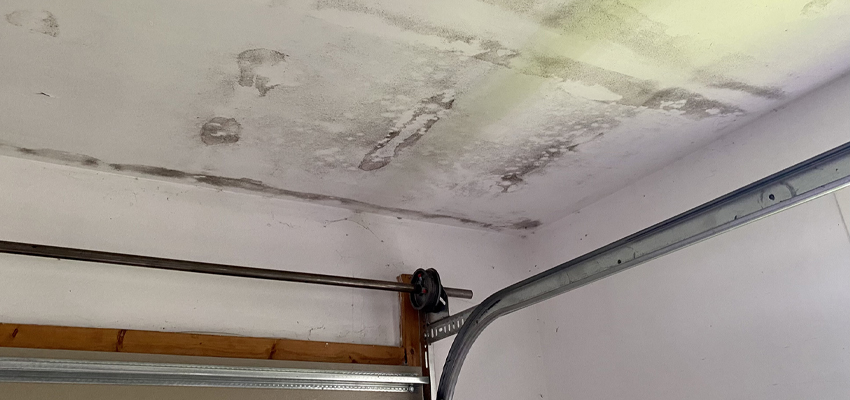
- Vulnerability to Moisture: Drywall's Achilles' heel in a garage setting is its susceptibility to moisture. Garages, particularly those lacking proper insulation or prone to leaks, can accumulate moisture over time. Drywall readily absorbs this moisture, leading to the formation of mold and mildew. Not only is this unsightly, but it can also pose health risks and compromise the structural integrity of the walls.
- Durability Concerns: Drywall falls short in terms of durability, especially in a space like a garage where accidental impacts are common. A slight bump from a tool or equipment can result in noticeable dents or punctures, detracting from the appearance of the walls and necessitating repairs or replacements.
- Limited Insulation: Inadequate insulation is another drawback of using drywall in a garage. Drywall alone provides minimal thermal insulation, which means the space may struggle to maintain a comfortable temperature, particularly in extreme weather conditions. This can result in increased energy consumption as you may need to rely on heating or cooling systems more frequently to regulate the temperature.
- Installation Challenges: Installing drywall can be a labor-intensive process, requiring specialized tools and skills. For homeowners undertaking DIY garage projects, achieving a professional finish with drywall may be challenging, leading to frustration and potential imperfections.
- Maintenance Demands:Garage environments are inherently prone to dirt, dust, and grime. Drywall's porous surface makes it susceptible to staining and discoloration, necessitating regular cleaning and maintenance to preserve its appearance.
- Difficulty in Repair:Repairing damaged drywall can be a hassle. It often involves cutting out the damaged section, applying new drywall, taping, mudding, and sanding—steps that can be time-consuming and require some skill to achieve a seamless finish.
Considering these disadvantages, homeowners exploring moisture-resistant drywall alternatives or impact-resistant wallboard substitutes may find solutions that better address their specific needs and concerns, ultimately enhancing the functionality and longevity of the space.
6 Alternative Garage Wall Materials to Consider
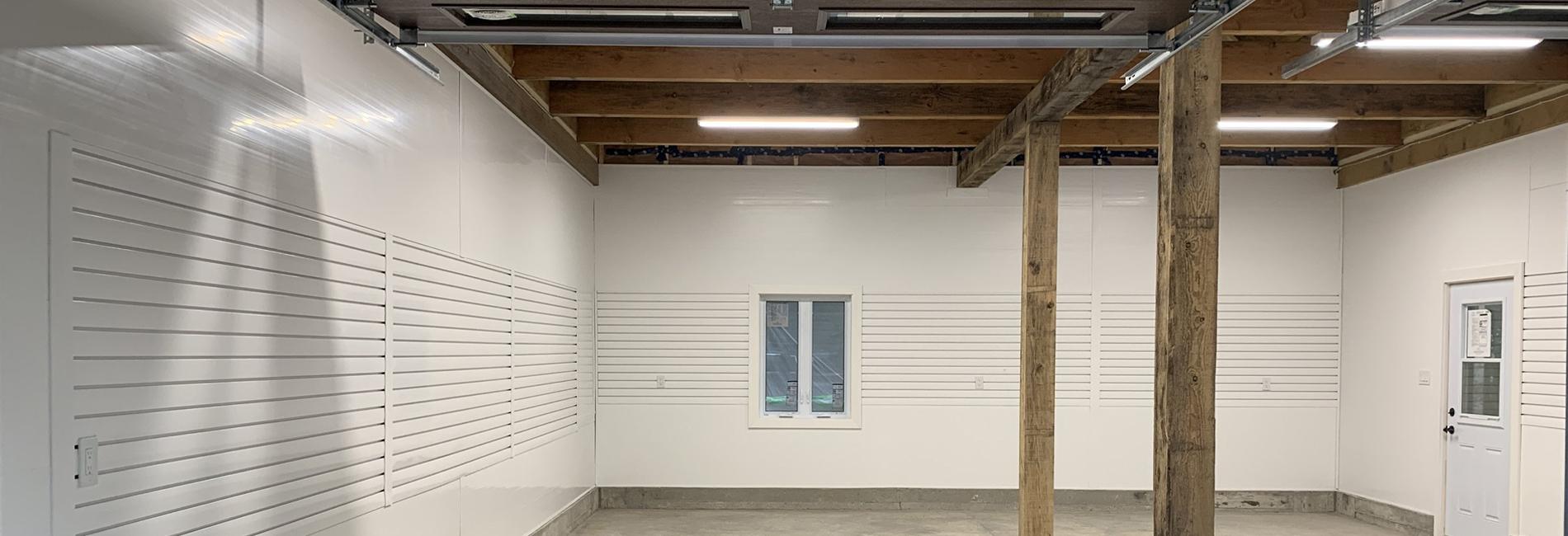
Switching to alternative materials for your garage walls can offer a range of benefits that improve both the look and performance of the space. Here are six alternative garage wall materials to drywall for you to consider.
1. PVC Panels
Polyvinyl chloride or PVC panels like Trusscore Wall&CeilingBoard are made from rigid PVC (vinyl) sheets that are extruded into flat panels. They’re lightweight, durable, and resistant to moisture, making them a popular choice for garage walls:
- Durability and Longevity: Once installed, drywall can easily be damaged, forcing you to fill in holes or cracks over time. With Trusscore Wall&CeilingBoard, you never have to worry about damage: The panels are scratch, dent, and impact resistant, making them perfectly suited to withstand the wear and tear of a busy garage environment, ensuring that your walls remain in good condition for years to come. Plus, PVC is resistant to pests such as termites and ants, reducing the risk of pest infestations in your garage.
- Easy Installation: Trusscore Wall&CeilingBoard is made for DIYers. The pre-finished panels weigh 40% less than drywall and — thanks to their pre-punched screw flange and tongue and groove interlocking system — can be installed four times faster with no special skills or tools required. That means you’ll be able to skip time-consuming activities like mudding, taping, priming, and painting to finish your project faster.
- Moisture Resistance: Unlike traditional drywall, Trusscore Wall&CeilingBoard panels are non-porous and 100% waterproof. They’ll never absorb water, making them resistant to mold, mildew, and rot. This makes them particularly suitable for garages where moisture levels may be higher due to occasional spills or humidity.
- Low Maintenance: PVC panels require minimal maintenance to keep them looking their best. They’re pre-finished and so they don’t require painting, staining, or sealing, and they’re easy to clean. Trusscore Wall&CeilingBoard panels can also be easily wiped down with soap and water, regular household cleaners, or even a pressure washer. This makes them a hassle-free option for homeowners who want to spend less time on upkeep.
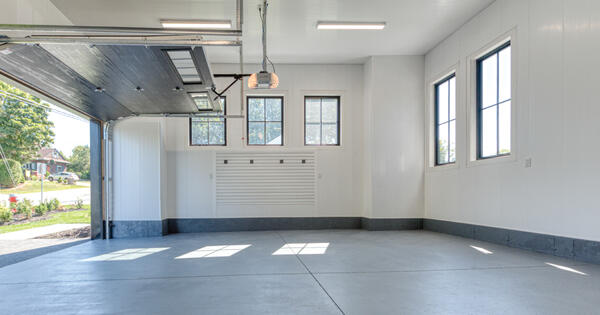
- SlatWall Integration: If you’re planning to add on-the-wall storage in your garage, Trusscore Wall&CeilingBoard is your best choice — the panels seamlessly integrate with Trusscore SlatWall, which can be installed as a track, section, half wall, or full wall, and can hold up to 75 pounds per square foot. Plus, Trusscore SlatWall panels are also made from PVC, so it boasts all the same benefits as Trusscore Wall&CeilingBoard.
Are PVC Panels Better Than Drywall?
- PVC panels are waterproof, while drywall absorbs moisture
- PVC resists dents and impacts better than drywall
- PVC panels require no painting or finishing
- Drywall is cheaper upfront but costs more to maintain over time
For garages, PVC wall panels vs drywall is often a durability and maintenance decision—not just a cost one.
2. Plywood or OSB
Plywood and Oriented Strand Board (OSB) are both engineered wood products commonly used in construction and DIY projects. Plywood is made from thin sheets of wood veneer that are glued together with the grain of each layer perpendicular to the one before it. OSB is made from compressed layers of wood strands oriented in specific directions and bonded together with adhesive – it’s a more cost-effective alternative to plywood.
Plywood and OSB offer several benefits that make them suitable options for garage walls:
- Strength and Durability: Both plywood and OSB are relatively durable materials that can withstand the rigors of a garage environment. They are less prone to dents and damage from impacts compared to drywall, making them a resilient choice for walls that may be subject to bumps from tools or equipment.
- Moisture Resistance: While neither plywood nor OSB is entirely waterproof, they’re more resistant to moisture than traditional drywall and can handle occasional exposure to moisture when properly sealed and maintained.
- Versatility: Plywood and OSB are versatile materials that can be painted, stained, or left unfinished, allowing homeowners to customize the appearance of their garage to suit their preferences.
- Easy Installation: Both plywood and OSB are relatively easy to install. They can be cut to size with standard woodworking tools and attached directly to wall studs or existing drywall using nails or screws. However, you’ll have to increase your installation timeline if you plan to paint or stain the boards.
- Cost-Effectiveness: Plywood and OSB are often more affordable than other wall materials like fiber cement board or metal panels, making them a budget-friendly option for homeowners looking to upgrade their garage walls without breaking the bank.
3. Metal Panels
Metal panels, often made from steel or aluminum, are flat sheets of metal. They’re available in a variety of profiles, including corrugated, ribbed, or flat, and are available in different finishes such as painted, galvanized, or coated.
Metal panels offer several advantages over drywall for garage walls:
- Durability and Strength: Metal panels are highly durable and resistant to dents, scratches, and corrosion. They can withstand the wear and tear of a busy garage environment, making them a long-lasting option for walls that may be subject to impacts from tools, equipment, or vehicles.
- Moisture Resistance: Metal panels are resistant to moisture and won’t warp when exposed to water or high humidity. However, panels can be prone to condensation buildup, and, without proper insulation and ventilation, this can lead to moisture problems and potential mold growth behind the panels.
- Easy Installation: Metal panels are relatively easy to install, especially for homeowners with basic carpentry skills. They can be cut to size with standard metal cutting tools and attached directly to wall studs or existing wall surfaces using screws or nails. Some metal panels even come with interlocking edges for a seamless and watertight installation.
- Low Maintenance: Metal panels require minimal maintenance to keep them looking their best. They are resistant to fading, chipping, and rust, so you won't need to repaint or refinish them as often as other materials. Occasional cleaning with soap and water is usually sufficient to remove dirt and grime.
- Aesthetic Appeal: Metal panels offer a modern and industrial aesthetic that can enhance the overall look of your garage. They come in a variety of colors and finishes, allowing you to customize the appearance of your walls to suit your design preferences.
4. Fiber Cement Board
Fiber cement board is a composite material made from a combination of cement, sand, and cellulose fibers. These fibers are typically derived from wood pulp, making the board both strong and lightweight. The mixture is pressed into flat sheets that can be used for various construction applications, including siding, roofing, and wall panels.
Fiber cement board offers several advantages that make it an excellent choice for garage walls:
- Durability: Fiber cement board is highly durable and resistant to damage from impacts, making it well-suited for the rough environment of a garage. It can withstand accidental bumps from tools or equipment without denting or puncturing, ensuring that your walls maintain their appearance over time.
- Moisture Resistance: Unlike drywall, fiber cement board is resistant to moisture and will not swell or warp when exposed to high humidity or occasional water exposure. This makes it a suitable option for garages where moisture can be a concern, helping to prevent mold and mildew growth.
- Pest Resistance: The cement component of fiber cement board makes it unattractive to pests like termites and ants, reducing the likelihood of infestations in your garage. This can save homeowners from the hassle and expense of dealing with pest damage or treatments.
- Low Maintenance: Fiber cement board requires minimal maintenance to keep it looking its best. It is resistant to fading, chipping, and cracking, so you won't need to repaint or repair it as often as other materials.
- Aesthetic Options: Fiber cement board comes in a variety of textures and finishes, allowing you to customize the look of your garage. Whether you prefer a smooth modern finish or a textured appearance that mimics wood or stone, there's a fiber cement board option to suit your design preferences.
Cutting and installing fiber cement board often requires specialized tools, such as carbide-tipped saw blades and shears, which you may not have in your toolkit. Plus, cutting or drilling fiber cement board can produce a significant amount of dust and debris, which can be harmful if inhaled. Proper safety precautions, including wearing a dust mask and eye protection, are essential when working with this material.
5. Pegboard or SlatWall Systems
Pegboard and slatwall systems are wall-mounted panel solutions designed for organizing tools, equipment, and other garage items. While often used as partial coverage rather than full-wall panels, they can serve as a functional drywall alternative when combined with a backer board like plywood or PVC panels.
- Durability and Strength: Pegboards and slatwall panels are generally made from PVC, MDF, or metal, giving them a moderate level of durability. PVC and metal systems resist moisture and dents, making them more robust than standard drywall for wall storage applications.
- Customizable Storage: These systems excel in providing organized storage options. Hooks, shelves, baskets, and brackets can be easily rearranged, allowing you to maximize wall space and keep tools accessible.
- Moisture Resistance: PVC and metal slatwall systems are highly moisture-resistant, which makes them suitable for garages that may experience humidity, condensation, or minor spills.
- DIY-Friendly Installation: Pegboard and slatwall systems are designed for easy installation. Most panels can be cut with standard tools, attached directly to studs, and accessorized without specialized skills.
- Low Maintenance: PVC and metal panels are easy to clean with soap and water, while painted or MDF pegboards may require occasional dusting and touch-ups.
- Limitations: These systems are primarily for organization and don’t provide full wall protection against impact or insulation. For complete coverage, consider pairing them with PVC panels or plywood.
Pegboard and slatwall panels are ideal for garage wall alternatives that prioritize storage functionality while offering moderate durability and moisture resistance.
6. Vinyl-Covered Drywall
Vinyl-covered drywall is a factory-finished drywall product with a durable vinyl coating. It offers a cost-conscious drywall substitute with added moisture and impact resistance compared to standard drywall.
- Durability and Longevity: The vinyl surface provides a protective layer that resists minor scratches, stains, and scuffs better than standard drywall. While not as robust as PVC or metal, it offers improved durability for garages with light to moderate use.
- Moisture Resistance: The vinyl coating adds a degree of water resistance, helping to prevent damage from occasional spills or high humidity. It is not fully waterproof, so it’s better suited for garages that are generally dry.
- Low Maintenance: Vinyl-covered drywall is pre-finished and easy to wipe clean with soap and water. Unlike standard drywall, it does not require priming or painting.
- Installation: Vinyl-covered drywall installs similarly to standard drywall, but requires careful handling to avoid damaging the vinyl surface. It can be cut with standard drywall tools and fastened with screws.
- Aesthetic Options: Available in smooth or lightly textured finishes, vinyl-covered drywall provides a clean, professional look without additional finishing steps.
- Cost-Effectiveness: It offers a middle ground between standard drywall and higher-end PVC or metal panels, making it a viable option for budget-conscious homeowners seeking a DIY drywall alternative.
Vinyl-covered drywall is best for garages where cost is a priority, but homeowners still want moisture-resistant and low-maintenance wallboard alternatives.
Drywall Alternative Cost Comparison
| Wall Material | Average Cost (Installed) | Moisture Resistance | DIY-Friendly | Notes |
|---|---|---|---|---|
| Standard Drywall | $1.50–$3.00 / sq. ft. | Low | Moderate | Most common garage wall, but vulnerable to dents and moisture |
| PVC Panels | $2.75–$3.75 / sq. ft. | Excellent | High | Fully waterproof, impact-resistant, low maintenance |
| Plywood / OSB | $2.50–$5.00 / sq. ft. | Moderate | High | Durable, customizable, affordable, can be painted or stained |
| Metal Panels | $5.00–$9.00 / sq. ft. | High | Moderate | Long-lasting, industrial look, may require metal cutting tools |
| Fiber Cement Board | $6.00–$10.00 / sq. ft. | High | Low | Extremely durable and moisture-resistant, requires specialized cutting tools |
| Pegboard / SlatWall Systems | $3.00–$6.00 / sq. ft. | Moderate–High | High | Excellent for tool storage and organization, partial coverage; combine with backing for full wall protection |
| Vinyl-Covered Drywall | $3.00–$5.00 / sq. ft. | Moderate | Moderate | Budget-friendly, low maintenance, more moisture-resistant than standard drywall |
How to Choose the Right Drywall Alternative
Selecting the best drywall alternative for your garage depends on your specific needs, budget, and project scope. Consider the following factors:
- Budget: If cost is the primary concern, OSB, plywood, or vinyl-covered drywall offer affordable options. Mid-range budgets can support PVC panels, while high-end projects may justify fiber cement or metal panels.
- Moisture Exposure: Garages prone to humidity, condensation, or occasional water exposure benefit from waterproof or moisture-resistant drywall alternatives such as PVC panels or metal panels.
- Durability Needs: Consider how often walls may encounter impacts from tools, equipment, or vehicles. Fiber cement, PVC, and metal panels offer high durability, while vinyl-covered drywall and pegboard systems provide moderate protection.
- DIY Skill Level: PVC panels, plywood, and pegboard systems are generally the most DIY-friendly. Metal and fiber cement board may require specialized tools or professional installation.
- Functionality & Storage: If you need built-in organization, pegboard or SlatWall systems can integrate with PVC panels to provide both durability and storage.
- Aesthetic Preference: Evaluate the look you want for your garage—smooth vinyl, industrial metal, or natural wood textures can all influence your choice.
By weighing these factors, homeowners can choose the garage wall alternative that best balances durability, moisture resistance, budget, and ease of installation, ensuring walls that last and perform over time.
Frequently Asked Questions About Drywall Alternatives
What is the most durable alternative to drywall?
PVC wall panels and fiber cement board are among the most durable drywall alternatives for garages.
Can I install drywall alternatives myself?
Yes. Many DIY drywall alternatives—such as PVC panels, plywood, and pegboard systems—are designed for homeowner installation.
Are drywall alternatives more expensive?
Some alternatives cost more upfront, but many reduce long-term maintenance and repair costs.
What is the cheapest alternative to drywall for a garage?
OSB and plywood are typically the most affordable alternatives.
Do drywall alternatives require maintenance?
Most require significantly less maintenance than drywall. PVC, metal panels, and vinyl-covered drywall are particularly low maintenance.
What is the best waterproof alternative to drywall?
PVC panels are fully waterproof, making them the top choice for garages exposed to moisture.
Choosing the right material for your garage walls can make a world of difference in terms of durability, functionality, and aesthetics. Whether you opt for fiber cement board, plywood, metal panels, or PVC wall panels, each alternative offers unique benefits that can enhance your garage space. So, consider your specific needs and preferences, and make an informed decision that will stand the test of time. Your garage deserves walls that can keep up with your lifestyle!
Products That Leave Drywall in Its Dust
Wall&CeilingBoard
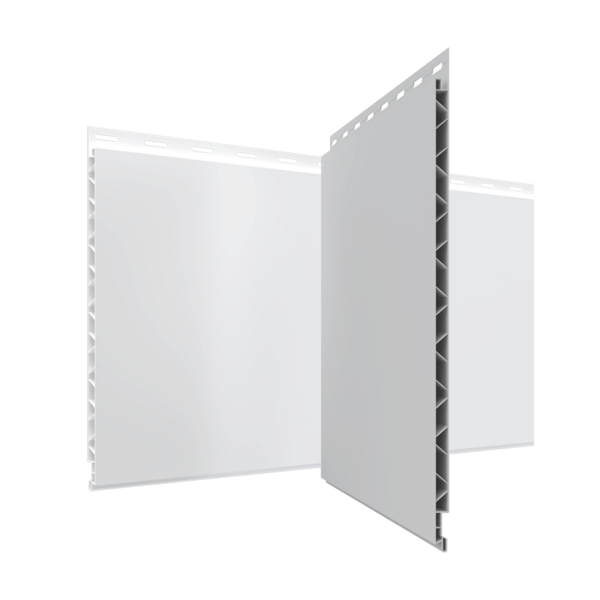
Trusscore Wall&CeilingBoard is an interlocking, interior PVC wall and ceiling panel that is lightweight, low maintenance, and outperforms alternative products like drywall and FRP.
Learn More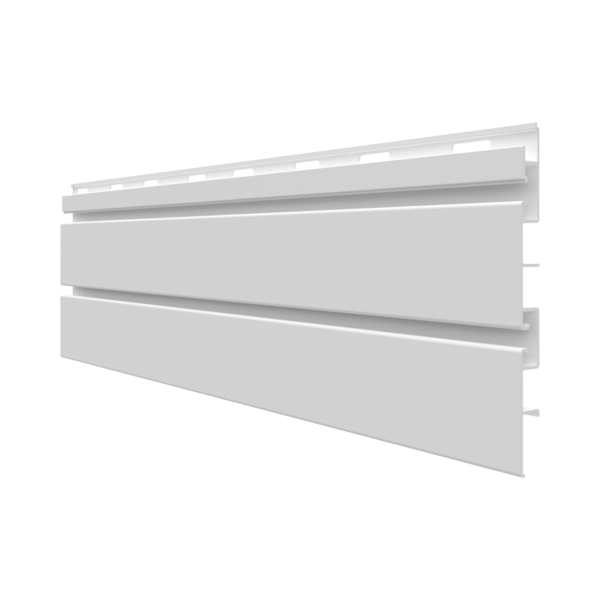
SlatWall
Trusscore SlatWall is a high-strength, on-the-wall organization system that’s easy to install and seamlessly integrates with Trusscore Wall&CeilingBoard.
Learn More