This post was originally published November 2024. Last updated: April 2026.
Most basements start as underused storage space—and stay that way. But a finished basement is one of the highest-return renovation projects a homeowner can take on, adding functional square footage without the cost or complexity of building an addition. The challenge is knowing where to focus your budget, which materials hold up in basement conditions, and what the space is actually going to be used for.
This guide covers all of it: current 2026 cost data, the seven best basement uses, wall and ceiling decisions, flooring, lighting, moisture control, and practical answers to the questions homeowners search for most.


How Much Does It Cost to Finish a Basement in 2026?
Before committing to a design direction, it helps to understand what finishing a basement actually costs—and what's driving those numbers. Prices have shifted over the past few years, and 2026 brings updated material and labor benchmarks worth knowing before you start planning.
Average Cost Ranges by Finish Level
Basement finishing costs vary widely based on how complete the renovation is. Here's a breakdown of what you can expect at each level:
| Finish Level | Cost per Sq. Ft. | 500 Sq. Ft. Example | What's Included |
|---|---|---|---|
| Basic/DIY | $25–$40 | $12,500–$20,000 | Framing, insulation, flooring, basic lighting, wall panels |
| Mid-Range | $40–$60 | $20,000–$30,000 | All of the above plus bathroom rough-in, egress window, recessed lighting |
| High-End | $60–$75+ | $30,000–$37,500+ | Full bathroom, wet bar, custom built-ins, premium finishes, HVAC upgrades |
What Drives Cost the Most
Labor is typically the biggest line item in any basement project—often 40 to 50 percent of total cost. That's why material choices that reduce installation time (and the need for skilled tradespeople) have an outsized impact on your final number. Here's what affects cost the most:
- Wall and ceiling materials: Drywall requires taping, mudding, sanding, priming, and painting—multiple trades, multiple days. PVC panel systems eliminate all finishing steps and install significantly faster, cutting labor costs substantially.
- Moisture remediation: Any water infiltration, mold, or drainage issues must be resolved before finishing starts. Skipping this step creates expensive problems later.
- Plumbing and electrical: Adding a bathroom or wet bar triggers permit requirements and trades work that drives costs up quickly.
- Egress windows: Required by code for bedrooms, egress windows add $2,500–$5,000 per window installed.
- DIY vs. contractor: A motivated DIYer with basic skills can handle framing, insulation, and panel installation—potentially saving 30 to 50 percent on labor.
For a more detailed breakdown of project costs, see the cost to finish a basement guide on the Trusscore blog.
7 Finished Basement Ideas Worth the Investment
The best finished basement idea is the one that matches how you actually live. Before choosing finishes or setting a budget, settle on the purpose of the space. Here are the seven most popular basement uses—and what each one requires to do right.
Home Gym or Fitness Room
A basement gym eliminates monthly membership costs and gives you a dedicated workout space steps from your bedroom. For this use, durability and cleanability are the priority. Walls and ceilings need to stand up to sweat, humidity, and the occasional impact from equipment or weights.
PVC panels like Trusscore Wall&CeilingBoard are well-suited here—they're moisture-resistant, wipe clean with soap and water, and won't harbor mold or mildew in a space where humidity builds up regularly. Rubber flooring tiles over a concrete floor are the standard choice: they absorb impact, reduce noise, and are easy to clean.
Guest Suite or Rental Unit
A basement guest suite or legal secondary suite adds income potential or flex space for family. This use case requires the most investment—egress windows, a full bathroom, proper insulation, and fire-rated wall assemblies are typically code requirements for a bedroom.
The payoff is significant: a properly finished basement suite consistently adds eight to ten percent to a home's resale value, and rental income can offset renovation costs over time. Budget accordingly and pull permits—unpermitted basement bedrooms create problems at resale.
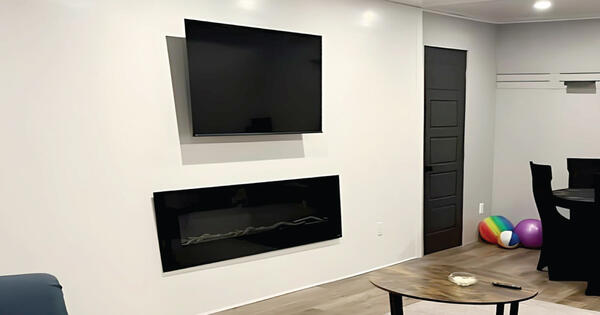
Family Rec Room or Kids Play Area
The rec room is the most common basement use for a reason: it keeps the main floor from being taken over by toys, gaming setups, or movie nights. For this application, durability matters—walls will get bumped, scuffed, and occasionally marked up by kids.
Trusscore Wall&CeilingBoard is scratch and dent resistant, which makes it a practical choice for rec rooms that see real use. For storage, pairing the wall panels with Trusscore SlatWall lets you hang bikes, sports gear, and bins without anchoring into studs every time needs change.
Home Office or Study
Remote work has made the basement home office one of the fastest-growing renovation categories. Done right, it creates a quiet, professional space separate from the rest of the household. Acoustic performance matters here: a well-insulated basement is naturally quieter than above-grade rooms, and adding sound-absorbing wall materials improves it further.
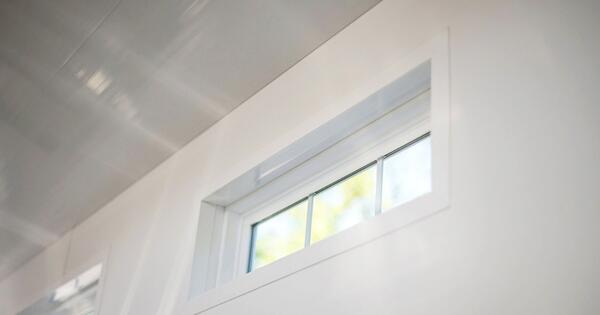
Lighting is the other critical factor. Basements with limited window wells need a layered lighting strategy—recessed lights for ambient light, desk lamps for task lighting, and reflective wall surfaces to amplify both. White PVC panels with a 0.90 light reflectivity value make a meaningful difference in how bright a basement office feels.
Home Bar or Entertainment Space
A home bar or dedicated entertainment room is a lifestyle upgrade that also adds resale appeal. This use typically involves a wet bar or mini-fridge setup, which means moisture exposure around the bar area and the potential for spills on walls and floors.
Choose wall materials in the bar area that can handle wipe-downs and don't absorb moisture. PVC panels work well here for the same reason they work in kitchens—they're non-porous, easy to clean, and won't warp or stain if a drink gets splashed on the wall.
Storage and Organization Room
Not every basement needs to become living space. A dedicated, well-organized storage room is a legitimate renovation goal—and significantly more functional than an unfinished space with boxes stacked on the floor.
Trusscore SlatWall is purpose-built for this application, supporting up to 75 pounds per square foot with standard slatwall accessories. It integrates seamlessly with Trusscore Wall&CeilingBoard to create a unified, finished look that's still completely functional. See the Trusscore basements application page for project examples.
Multipurpose Flex Space
If you're not sure how the space will be used long-term—or if your needs are likely to change—design for flexibility. Avoid built-ins that lock you into a single layout. Instead, choose durable, neutral wall and ceiling finishes that work for multiple uses, invest in good lighting, and keep the floor plan open.
Durable, low-maintenance materials pay off most in flex spaces because the room may serve as a gym today and a playroom in three years. Choose finishes that age well and don't require repainting or patching when the furniture moves around.


Choosing Wall and Ceiling Finishes on a Budget
Wall and ceiling finishes are the single most consequential material decision in any basement renovation. They affect how long the project takes, how much you spend on labor, how the space holds up over time, and how much maintenance it needs. For a deeper look at the options, see the guide to top basement wall ideas for homeowners.
Why This Decision Matters Most
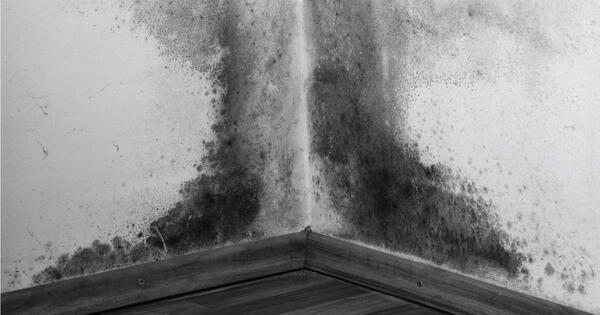
Basements are moisture-prone by nature. Temperature differentials between the basement and the outside cause condensation on walls and floors, even in relatively dry climates. Any wall or ceiling material that absorbs moisture—and that includes standard drywall—is at risk over time.
The right material choice eliminates that risk from the start, rather than creating a remediation project down the road. It also affects installation time significantly: drywall finishing is a multi-step, multi-day process that typically requires skilled labor. Panel systems that go up without mudding, taping, or painting cut that timeline substantially.
PVC Panels vs. Drywall: The Budget Case
The upfront cost of PVC panels is higher than drywall on a per-square-foot basis. But when you factor in labor, finishing time, and long-term performance, the math changes. Here's a direct comparison:
| Feature | Drywall | Trusscore Wall&CeilingBoard |
|---|---|---|
| Material Cost | $0.50–$1.50/sq. ft. | $2.75–$3.75/sq. ft. |
| Installation | Requires taping, mudding, sanding, priming, painting; 2+ people; multiple days | Tongue-and-groove system; one person; installs 4× faster; no finishing required |
| Moisture Resistance | Poor; absorbs moisture, molds within 24–48 hours of exposure | 100% moisture-resistant; never grows mold or mildew |
| Durability | Dents, chips, cracks; requires patching and repainting | Scratch and dent resistant; maintains appearance for decades |
| Maintenance | Repainting every 7–10 years; moisture damage repair as needed | Wipe clean with soap and water; no repainting required |
| Total Cost of Ownership | Lower upfront; higher long-term due to labor and maintenance | 55% lower total cost of ownership compared to drywall over product life |
For homeowners doing DIY work, the labor savings from skipping the drywall finishing process—no mudding, taping, sanding, priming, or painting—are significant. If you're hiring trades, the faster installation time directly reduces the labor bill. Learn more about why drywall isn't always the answer for basement renovations.
Other Affordable Wall Finish Options
PVC panels aren't the only alternative worth considering. Here's a quick comparison of other common basement wall finishes:
- Painted concrete: The least expensive option. Works well in utility spaces or gyms where aesthetics are secondary. Not ideal for finished rooms—it still allows moisture vapor transmission, and painted concrete can peel in humid conditions.
- OSB (oriented strand board): A budget workhorse. Holds fasteners well, which makes it useful in workshops or storage rooms. Absorbs moisture readily and will swell and degrade if wet.
- Fiberglass reinforced panels (FRP): Used in commercial kitchens and car washes for a reason—it's moisture-resistant. But it requires adhesive and backing material, smells during installation, and costs more in total installed cost than PVC panels.
- Beadboard and shiplap: Good for decorative spaces. PVC versions perform better in basements than wood versions, which expand and contract with humidity.
Basement Flooring, Lighting, and Moisture Control
Walls and ceilings are the big decision, but flooring, lighting, and moisture management round out a functional finished basement. Getting these three elements right prevents expensive problems and makes the space genuinely comfortable to use.
Best Budget-Friendly Basement Flooring in 2026
Basement floors sit on or near concrete, which means moisture is always a consideration. The best budget flooring options for basements in 2026 are:
- Luxury vinyl plank (LVP): The top choice for most finished basements. Fully waterproof, easy to install as a DIY project, and available in realistic wood and stone looks. Prices range from $2 to $5 per square foot for materials.
- Epoxy-coated concrete: Durable, moisture-resistant, and easy to clean. Works well in gyms, shops, and utility rooms. Requires proper surface prep but is cost-effective in larger spaces.
- Laminate flooring: Less moisture-resistant than LVP; requires a good vapor barrier underlayment and isn't recommended for basements with any history of water intrusion.
- Carpet tiles: Comfortable and warm underfoot. Use moisture-resistant varieties. Individual tiles can be replaced if damaged—a practical advantage in a basement that might see occasional dampness.
- Painted concrete: The lowest-cost option. Appropriate for storage rooms, workshops, and utility spaces. Not ideal for guest suites or living areas where comfort matters.
Lighting That Makes a Basement Feel Bigger
Basements with low ceilings and limited natural light can feel cramped—but good lighting design fixes that. A layered lighting approach works best:
- Recessed LED lighting: The standard for finished basements. Low-profile, energy-efficient, and even. Space fixtures every six to eight feet for consistent coverage without hot spots or shadows.
- Reflective wall surfaces: White PVC panels with a 0.90 light reflectivity value amplify both natural and artificial light, making a basement feel brighter without adding fixtures. This is a material-driven gain that costs nothing extra at installation.
- Under-cabinet and accent lighting: Useful in bar areas, around built-ins, or beneath stairs. LED strip lighting is inexpensive and easy to install.
- Egress window wells with covers: If code allows for window wells, enlarging them or adding well covers brings in more natural light and makes the space feel less underground.
Moisture Control Before You Finish
This step isn't optional. Finishing a basement without addressing moisture first is the most common and expensive mistake homeowners make. Before installing any materials, confirm that:
- No active water infiltration exists: Check for cracks in the foundation walls and floor, signs of previous flooding, and efflorescence (white mineral deposits on concrete). These require remediation before finishing.
- The drainage situation is clear: Make sure your sump pump is operational and your exterior grading directs water away from the foundation.
- Humidity is manageable: A dehumidifier running during and after construction keeps humidity in check. Target relative humidity below 50 percent.
- A vapor barrier is installed: Code typically requires a vapor barrier between insulation and any wall assembly. Install one before framing begins.
For guidance on moisture management specific to basements, see the basement flooding risk guide on the Trusscore blog.
FAQ
What Is the Cheapest Way to Finish a Basement?
The cheapest path to a finished basement combines DIY labor with materials that eliminate finishing steps. Here's the approach that keeps costs lowest:
- Address moisture before starting—fixing problems after finishing costs significantly more.
- Frame and insulate yourself—this is accessible work for someone with basic carpentry skills.
- Use PVC panels for walls and ceilings instead of drywall—no mudding, taping, or painting means no finishing costs and no finishing trades.
- Choose luxury vinyl plank flooring—it's DIY-friendly, durable, and competitively priced.
- Skip the bathroom in the first phase—plumbing and electrical trade work is where costs escalate fastest.
A basic finished basement done this way typically lands in the $25–$40 per square foot range—$12,500–$20,000 for a 500-square-foot space.
Does Finishing a Basement Add Value to a Home?
Yes, reliably. Finished basements consistently return 70 to 75 percent of project cost at resale, according to industry benchmarks—and that figure is higher in markets where finished square footage commands a premium. A basement suite with a legal bedroom and bathroom returns even more, and in some markets fully offsets the renovation cost.
Beyond dollar-for-dollar return, a finished basement expands the functional square footage of the home, which affects asking price, buyer pool, and days on market. For most homeowners, it's one of the better renovation investments available.
What Should I Finish My Basement Walls with Instead of Drywall?
The best drywall alternative for basement walls depends on what the space is used for. For most finished basement applications—rec rooms, home offices, guest suites, gyms—PVC panels like Trusscore Wall&CeilingBoard are the strongest all-around choice: they're moisture-resistant, durable, pre-finished, and significantly faster to install than drywall. For utility rooms and workshops where appearance matters less, OSB offers solid fastener-holding capability at a lower cost. See the full guide to drywall alternatives for basements for a side-by-side breakdown.
How Long Does It Take to Finish a Basement Yourself?
A typical 500-square-foot basement takes a motivated DIYer three to six weekends to finish, depending on the scope. Here's a rough timeline by phase:
- Framing: One to two weekends for a straightforward layout.
- Insulation and vapor barrier: One weekend.
- Wall and ceiling panels: One to two weekends. PVC panel systems go up faster than drywall because there's no drying time between steps.
- Flooring: One weekend for LVP in a standard layout.
- Electrical and lighting: Variable; may require a licensed electrician depending on jurisdiction.
Projects with a bathroom, wet bar, or complex layout take longer and almost always require licensed trades for plumbing and electrical work.
Finishing a basement is one of the more straightforward ways to add livable square footage and real home value—without the cost of building up or out. The key is approaching it the right way: address moisture first, choose materials suited to basement conditions, and match the finish level to how the space will actually be used.
For walls and ceilings, the case for PVC panels over drywall is strong in basement environments. Trusscore Wall&CeilingBoard eliminates the finishing steps that drive up labor costs, resists the moisture conditions basements are known for, and delivers a clean, bright finish that holds up for decades. Pair it with Trusscore SlatWall in utility or storage zones and you get an organized, functional wall system that works in any room configuration.
Ready to start planning? Use the Trusscore Cost & Materials Estimator to calculate what you'll need for your project, then find a retailer near you to get moving.
Find a retailer near you to get your basement project started.