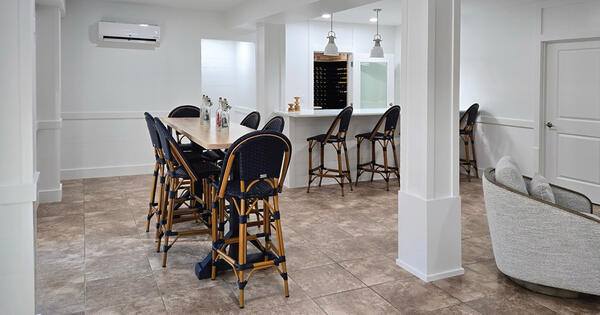
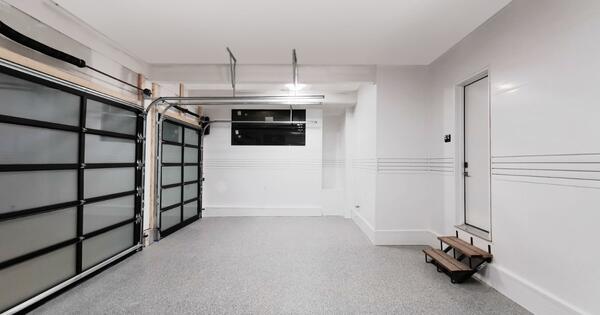
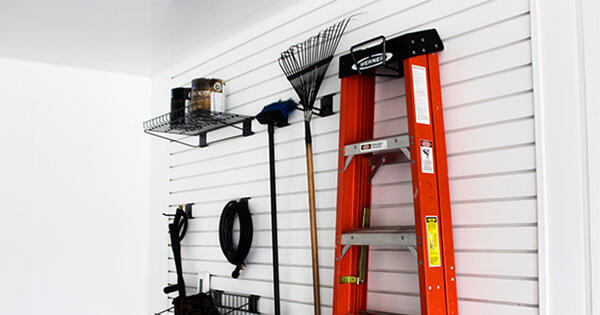
Half wall paneling is one of those upgrades that looks like it should cost more than it does. Cover the lower third of a wall with the right material and you can completely change how a room feels—more finished, more intentional, more like a space someone designed rather than one that just happened. It's a budget-friendly improvement that pays off in aesthetics, protection, and resale value.
This guide covers seven materials for half wall paneling along with height guidance, room-by-room inspiration, cost estimates, and honest DIY difficulty. Whether you're finishing a basement, upgrading a hallway, or looking for the right material for a bathroom refresh, the right answer depends on where you're installing and what you need from the wall.


What Is Half Wall Paneling?
Half wall paneling is a decorative treatment applied to the lower portion of an interior wall. The term is broad—it can refer to any material installed on the bottom half (or third, or two-thirds) of a wall to create a visual and textural contrast with the upper wall surface. It's used across nearly every room type and works in traditional, modern, and transitional interiors alike.
Half Wall Paneling vs. Wainscoting: Key Differences
The terms are often used interchangeably, but they're not exactly the same thing. Wainscoting is a specific style of half wall paneling that typically uses raised panels, flat panels, or board-and-batten detail in a more formal, architectural fashion. Half wall paneling is the broader category—it includes wainscoting but also covers shiplap, beadboard, PVC panels, and other approaches that may be more casual or utilitarian.
Standard Height Guidelines
Height is one of the most common questions with half wall paneling, and the answer depends on your ceiling height and the look you're going for. The following are the most commonly used heights:
| Height | Common Name | Best For |
|---|---|---|
| 32 to 36 inches | Chair rail height | Dining rooms, hallways, standard ceilings |
| 40 to 48 inches | One-third wall height | Living rooms, kitchens, 9-foot ceilings |
| 54 to 60 inches | Two-thirds height | Tall ceilings, dramatic living or dining spaces |
The general rule of thumb: in rooms with 8-foot ceilings, paneling between 32 and 36 inches looks proportional. In rooms with 9- or 10-foot ceilings, you can go up to 48 inches without the panel overpowering the wall.
7 Materials for Half Wall Paneling: Pros, Cons, and Best Uses
Not all half wall paneling materials are created equal. The best option depends on where you're installing it, how much you want to spend, and how much maintenance you're willing to do down the line. Here's a breakdown of each material—what it's good for and where it falls short.
| Material | Moisture Resistance | Durability | Est. Cost/Sq Ft | DIY Difficulty |
|---|---|---|---|---|
| Solid Wood | Low to Moderate | High | $3.00 to $8.00 | Moderate to High |
| PVC (Trusscore) | Excellent (100%) | Excellent | $2.75 to $3.75 | Easy |
| MDF | Low | Moderate | $1.00 to $2.50 | Easy |
| Plywood | Low to Moderate | Moderate | $1.00 to $3.00 | Easy to Moderate |
| Beadboard | Low to Moderate | Moderate | $1.50 to $3.50 | Easy |
| Shiplap | Low (wood) / High (PVC) | Moderate to High | $2.00 to $4.00 | Easy to Moderate |
| Board and Batten | Low to Moderate | Moderate to High | $1.50 to $4.00 | Moderate |
Solid Wood
Solid wood—oak, pine, maple, and others—is the classic choice for half wall paneling. It looks warm and authentic, holds paint and stain well, and has a tactile quality that no engineered material can fully replicate. It's also the most demanding material in terms of cost and upkeep.
- Pros: Timeless aesthetic, excellent durability, highly customizable with stain or paint, holds fasteners well, adds genuine warmth to a room.
- Cons: Expensive compared to other options, susceptible to moisture without proper sealing, requires periodic maintenance, and can expand and contract seasonally.
- Best for: Dining rooms, living rooms, and bedrooms in dry climates where aesthetics and longevity are the top priorities.
PVC Panels (Trusscore Wall&CeilingBoard)


Trusscore Wall&CeilingBoard is a rigid PVC interlocking panel system designed as a high-performance alternative to drywall, wood, and MDF in moisture-prone environments. Where other half wall paneling materials require sealing, painting, or periodic replacement in wet spaces, Trusscore Wall&CeilingBoard handles moisture by design—it's 100 percent water-resistant throughout its entire service life.
The panels use a tongue-and-groove interlocking system that hides fasteners, installs up to four times faster than drywall, and requires no taping, mudding, sanding, or finishing. Panels weigh 40 percent less than drywall, which makes them easier to handle as a DIY project, particularly in tight spaces like bathrooms and laundry rooms.
Trusscore Wall&CeilingBoard has a light reflectivity value of 0.90—it reflects 90 percent of light that hits the surface—which helps brighten spaces that are often dim.
- Pros: 100 percent waterproof and mold-resistant, installs up to four times faster than drywall, no finishing required, scratch- and dent-resistant, easy to clean with soap and water or chemical cleaners, light-reflective.
- Cons: Available only in white and gray, lacks the natural warmth of wood, not suitable for outdoor use.
- Best for: Bathrooms, laundry rooms, basements, garages, and any space where moisture resistance is the first concern. Also read: benefits of PVC building materials.
MDF
Medium-density fiberboard is one of the most popular materials for half wall paneling in dry living spaces—and for good reason. It's affordable, takes paint beautifully, and provides a smooth, uniform surface that looks more polished than raw wood.
- Pros: Budget-friendly, smooth paintable surface, stable and unlikely to warp, consistent density across panels.
- Cons: Sensitive to moisture—it can swell and degrade with exposure to humidity. Not suitable for bathrooms or laundry rooms without significant sealing effort. Heavier than PVC and some wood options.
- Best for: Dry living rooms, hallways, dining rooms, and bedrooms. A solid DIY choice for anyone who wants a clean, painted finish at a reasonable price.
Plywood
Plywood is a workable, mid-range option for half wall paneling in utility spaces and workshops, as well as finished rooms where you want a natural wood look on a budget. It's stronger than MDF, holds fasteners well, and offers flexibility in size and thickness.
- Pros: Stronger than MDF, resists warping better than solid wood, available in various grades and thicknesses, affordable.
- Cons: Visible grain and seams can affect aesthetics, moisture sensitivity without proper sealing, lower-grade panels may show inconsistent color or texture.
- Best for: Workshops, utility rooms, and budget-conscious projects where strength matters more than aesthetics.
Beadboard
Beadboard features narrow vertical planks with a characteristic groove—called a "bead"—between each plank. It's closely associated with cottage, farmhouse, and coastal interior styles, and it brings textural interest to spaces that flat paneling can't match.
- Pros: Classic, distinctive texture; works in a wide range of styles; relatively easy to install; available in wood, MDF, and PVC versions.
- Cons: The grooves accumulate dust and require extra cleaning attention; the traditional look may not suit contemporary interiors; wood versions are moisture-sensitive.
- Best for: Bathrooms (PVC version), kitchens, cottages, and spaces with a farmhouse or coastal aesthetic.
Shiplap
Shiplap features horizontally overlapping boards with a small gap between each course. The look is clean, linear, and versatile—it works in both rustic and contemporary interiors depending on how it's finished. Shiplap has been one of the most popular half wall paneling styles for several years and continues to hold its own.
- Pros: Distinctive horizontal texture adds depth, works in many interior styles, paintable, available in wood and PVC, easy to install.
- Cons: Horizontal gaps between boards can accumulate dust; wood shiplap isn't ideal for wet areas without sealing; may feel casual for formal settings.
- Best for: Living rooms, bedrooms, entryways, and accent walls. PVC shiplap works in kitchens and utility spaces where moisture is a factor.
Board and Batten
Board and batten uses wide flat panels (boards) with narrow vertical strips (battens) applied on top, creating a bold, graphic pattern on the wall. It's one of the most versatile half wall paneling styles available—it can read as rustic, modern, or traditional depending on the spacing, paint color, and height.
- Pros: High visual impact, versatile across styles, creates strong vertical lines that add height to a room, DIY-friendly with basic carpentry skills.
- Cons: More labor-intensive than flat panel options, wood versions require proper finishing to resist moisture, spacing decisions require planning.
- Best for: Entryways, living rooms, dining rooms, and bedrooms where you want a statement wall treatment without committing to a full wallpaper or mural.
Half Wall Paneling Ideas by Room
The best half wall paneling idea isn't just about material—it's about matching the material and style to the specific demands and aesthetic of the room. Here's how to approach each space.
Living Room and Dining Room
Living rooms and dining rooms are where traditional wainscoting styles shine. These spaces aren't typically exposed to high moisture, so you have the full range of materials available. Raised panel wainscoting or flat MDF paneling with a crisp white paint finish tends to look formal and polished. Shiplap at chair rail height offers a more relaxed, contemporary look.
For dining rooms with 9-foot or taller ceilings, consider running paneling up to 48 inches or higher to create a more dramatic effect. Pair with a contrasting paint color above the panel line—deep navy, forest green, or warm gray—for maximum visual impact.
Board and batten works especially well in living rooms and dining rooms, particularly in transitional interiors. The vertical lines draw the eye upward and make standard-height ceilings feel taller.
Hallways and Entryways
Hallways and entryways take more daily punishment than any other space in the house—scuffs from bags, furniture, and foot traffic are inevitable. Half wall paneling at chair rail height (32 to 36 inches) does double duty here: it protects the wall surface while adding architectural interest to what's usually a forgotten space.
Board and batten and beadboard both perform well in hallways. For narrow corridors, choose lighter finishes to keep the space from feeling closed in. MDF with a semi-gloss white paint finish is a practical and affordable choice.
Bathrooms and Laundry Rooms
Bathrooms and laundry rooms demand moisture-resistant materials—full stop. Wood and MDF can work in a powder room that sees minimal moisture, but in a full bathroom or laundry room with regular humidity and splash exposure, they're going to fail over time. For these spaces, Trusscore Wall&CeilingBoard is the right choice.
Trusscore Wall&CeilingBoard is 100 percent waterproof and will never grow mold or mildew, which is the fundamental requirement in a bathroom or laundry room. The tongue-and-groove interlocking system creates a water-resistant barrier, and the bright white surface reflects light in rooms that are often small and dim. It cleans with a damp cloth and standard household cleaners—no special products required.
Installing Trusscore Wall&CeilingBoard as wainscoting in a bathroom or laundry room—running it from floor to 48 inches or so—gives you the protection of a full wall installation in the zone where moisture exposure is highest, while keeping the upper wall painted and manageable.
Kitchens
In kitchens, half wall paneling typically works best in the dining area or informal eating zone rather than directly behind the range or prep surfaces, where a backsplash is more appropriate. Beadboard at 36 inches is a classic kitchen look that works in farmhouse, cottage, and transitional interiors.
If you're paneling in a kitchen area that's adjacent to the sink or sees regular splashes, choose a moisture-resistant material—PVC beadboard or Trusscore Wall&CeilingBoard—over wood or MDF.
Bedrooms
Bedrooms are low-moisture, relatively low-traffic spaces, so you have the most flexibility here. Board and batten creates a sophisticated backdrop for a bed wall. Shiplap in a soft gray or white finish works well for a relaxed contemporary bedroom. Traditional wainscoting at 32 to 36 inches adds formality without feeling heavy.
For kids' bedrooms, MDF paneling with a durable paint finish is a practical and affordable choice that holds up well to the inevitable bumps and scuffs.
Half Wall Paneling Design Tips
Getting the material right is half the battle. These design decisions determine whether the final result looks intentional and polished or just like paneling was added without a plan.
Choosing the Right Height for Your Ceiling
As a starting point, aim for paneling height that's roughly one-third the total wall height. In a room with 8-foot ceilings, that's about 32 inches. In a room with 9-foot ceilings, aim for 36 inches. For ceilings over 10 feet, you can push to 48 inches or higher without the paneling overpowering the space.
Avoid paneling that lands right at the midpoint of the wall—it tends to feel awkward and indecisive. Either keep it clearly in the lower third, or go deliberately tall as a design choice.
Color and Finish Coordination
The most common approach is to paint paneling in a semi-gloss white and use the upper wall for color. This works reliably in almost any space and makes the trim and panel detail stand out clearly. For a more contemporary look, paint both the paneling and upper wall in the same color—this creates a tonal, textural effect that feels intentional and modern.
Avoid high-contrast color combinations that draw too much attention to the panel line itself. The transition between panel and wall should feel like a design moment, not a hard stop.
Combining Paneling with Chair Rail or Trim
A chair rail cap along the top edge of half wall paneling adds a finished, professional look to almost any material. It creates a clean transition between the panel surface and the upper wall and gives the installation a more architectural quality.
For PVC panel installations, Trusscore Trims include J Trim, Inside Cove Corner, and Outside Corner options specifically designed to finish installations cleanly without the need for caulking or additional finishing work.
Half Wall Paneling: DIY vs. Professional Installation
Most half wall paneling materials are within reach for a confident DIYer with basic carpentry skills—a tape measure, a circular saw, a drill, and a level covers the majority of installations. That said, some materials are more forgiving than others, and the complexity of the room (corners, doorways, outlets) affects difficulty.
Easiest Materials for DIY
The following materials are the most accessible for DIY half wall paneling projects:
- Trusscore Wall&CeilingBoard: The tongue-and-groove interlocking system means panels align easily and hide fasteners automatically. No taping, mudding, or finishing required. Panels weigh 40 percent less than drywall and can be handled by one person.
- MDF: Cuts cleanly, takes paint well, and is widely available. The main caution is keeping it away from moisture and sealing edges properly before painting.
- Beadboard sheets: Large beadboard sheets (rather than individual planks) go up quickly and require minimal cutting in straightforward rooms.
- Shiplap: Straightforward horizontal installation that's forgiving to work with, especially in rooms without a lot of interruptions.
Board and batten and raised-panel wainscoting require more planning and precise cuts, but they're still manageable DIY projects with patience and the right tools.
Average Cost Range by Material
The following cost estimates reflect material costs per square foot and don't include labor or finishing materials like primer and paint:
| Material | Approx. Cost per Sq Ft | DIY Difficulty |
|---|---|---|
| MDF | $1.00 to $2.50 | Easy |
| Plywood | $1.00 to $3.00 | Easy to Moderate |
| Beadboard | $1.50 to $3.50 | Easy |
| Board and Batten | $1.50 to $4.00 | Moderate |
| Shiplap | $2.00 to $4.00 | Easy to Moderate |
| Trusscore Wall&CeilingBoard | $2.75 to $3.75 | Easy |
| Solid Wood | $3.00 to $8.00 | Moderate to High |
Professional installation adds labor cost on top of materials—typically $2.00 to $5.00 per square foot depending on complexity and region. For rooms with many corners, cutouts, or custom detailing, professional installation is worth considering.
FAQs
Here are answers to the most common questions about half wall paneling.
What Is the Standard Height for Half Wall Paneling?
The most common height for half wall paneling is 32 to 48 inches from the floor, depending on ceiling height and design intent. Chair rail height—around 36 inches—is a traditional standard that works well in rooms with 8-foot ceilings. In rooms with taller ceilings, you can push paneling to 48 inches or higher without it looking out of proportion. The general rule is to aim for roughly one-third of the total wall height.
Is Half Wall Paneling the Same as Wainscoting?
Not exactly. Wainscoting is a specific type of half wall paneling—typically raised panel, flat panel, or board-and-batten—installed at a predetermined height with a cap or chair rail at the top. Half wall paneling is the broader category that includes wainscoting along with shiplap, beadboard, PVC panels, and other approaches. All wainscoting is half wall paneling, but not all half wall paneling is wainscoting. See also: basement wainscoting ideas.
What Is the Best Material for Half Wall Paneling in a Bathroom?
For bathrooms, the best material is one that handles moisture reliably without ongoing maintenance. Trusscore Wall&CeilingBoard is the strongest choice—it's 100 percent waterproof, will never grow mold or mildew, and installs without any finishing steps. PVC beadboard is another good option for bathrooms where aesthetics are a higher priority. Wood and MDF can work in low-humidity powder rooms with proper sealing, but they're not recommended for full bathrooms or laundry rooms without significant upkeep.
Can You DIY Half Wall Paneling?
Yes—most half wall paneling is well within reach for a DIYer with basic carpentry skills. The tools required are standard: a tape measure, circular saw or jigsaw, drill or screw gun, and a level. PVC interlocking panels are among the easiest to install because the tongue-and-groove system guides alignment and hides fasteners automatically. MDF and beadboard sheets are also beginner-friendly. Board and batten and raised-panel wainscoting require more planning and precision but are still manageable without professional help.
Half wall paneling is one of the most versatile improvements you can make to a room's interior. The right material depends on where you're installing it and what you need from the wall. For dry living spaces—dining rooms, hallways, bedrooms—wood, MDF, beadboard, and board and batten all deliver strong results at varying price points and difficulty levels. For moisture-prone spaces like bathrooms and laundry rooms, the calculus changes: you need a material that handles water by design, not by workaround.
That's where Trusscore Wall&CeilingBoard earns its place. It's not the only option—but for any space where humidity, splashes, or water exposure are part of daily life, it's the one that won't need replacing in five years.
Whatever direction you go, finish the walls. The difference between a paneled room and an unpaneled one is significant—in appearance, in protection, and in how you feel about the space.