This post was originally published in September 2025. Last updated: April 2026.
Drop ceilings made a lot of sense when they were invented—easy utility access, quick installation, and reasonable cost. But as a finishing choice for a basement, laundry room, or renovation project today, they come with some real drawbacks: lost ceiling height, dated aesthetics, tiles that stain and sag, and poor moisture resistance. More homeowners are looking for drop ceiling alternatives that deliver a better long-term result without those trade-offs.
This guide compares five modern alternatives—including costs, DIY difficulty, moisture performance, and the best room types for each—so you can make the right call for your space.


Why Homeowners Are Moving Away from Drop Ceilings
Drop ceilings aren't a bad product. They just have some real limitations that become obvious as soon as you start comparing them against newer alternatives. Here's where they consistently fall short.
Height Loss and Space Constraints
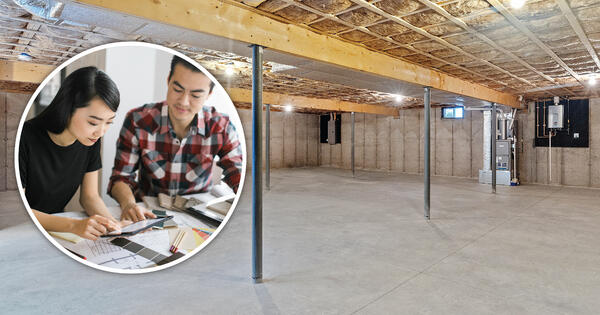
A suspended grid typically drops a ceiling by three to eight inches, sometimes more. In an already-tight basement or utility room, that loss matters. It can make a workable room feel cramped and can actually push you below building code minimums in some jurisdictions. For anyone already dealing with limited headroom, this alone is often a dealbreaker.
Aesthetic Limitations
The grid-and-tile look is functional, but it's hard to mistake for anything other than a commercial or institutional space. Customization options are limited—tiles come in standard sizes with a narrow range of styles, and the exposed metal grid is always part of the visual. If you're finishing a space you want to feel like a real room, drop ceilings don't give you much to work with.
Maintenance, Staining, and Replacement Costs
Drop ceiling tiles are prone to staining from humidity, minor leaks, and even normal condensation over time. Once a tile stains, replacement is the only option—and matching older tiles can be difficult. Dust accumulates on the top surface of tiles where you can't see it, and the grid itself can trap grime and show rust over time. It's a ceiling that requires ongoing attention.
Drop Ceiling Alternatives at a Glance
Before diving into each option, this comparison table summarizes the key factors that matter most when choosing a ceiling finish: cost, difficulty, moisture performance, and best-fit use cases.
| Ceiling Option | Cost per Sq. Ft. | DIY Difficulty | Moisture Resistance | Utility Access | Best Use Case |
|---|---|---|---|---|---|
| PVC Panels (Trusscore) | $2.75–$3.75 | Easy | Excellent | No | Basements, laundry rooms, bathrooms |
| Decorative Ceiling Tiles | $1.00–$4.00 | Easy–Moderate | Moderate | Limited | Living rooms, dining areas |
| Wood Ceiling Panels | $3.00–$10.00+ | Moderate | Poor | No | Living spaces, bedrooms |
| Stretch Fabric Ceilings | $5.00–$15.00 | Professional | Moderate | No | Commercial, specialty rooms |
| Open Grid/Exposed | $1.50–$4.00 | Moderate | N/A | Yes | Lofts, industrial spaces |
| Drop Ceiling (reference) | $1.00–$3.00 | Moderate | Poor | Yes | Commercial, utility spaces |
Option 1—Reflective PVC Ceiling Panels
PVC ceiling panels have become the go-to alternative to drop ceilings for moisture-prone and high-use spaces. Trusscore Wall&CeilingBoard is a leading example: interlocking, tongue-and-groove PVC panels that install directly to joists or over existing surfaces with no taping, mudding, or painting required.
Light Reflectivity and How It Brightens a Space
White PVC panels from Trusscore carry a light reflectivity value of 0.90—meaning they reflect 90 percent of the light that hits them. In a basement or laundry room where natural light is limited, this makes a significant practical difference. You need fewer fixtures to achieve the same brightness, and the space feels noticeably larger and more open than it would with a drop ceiling or painted drywall.
Moisture Resistance, Durability, and Easy Installation
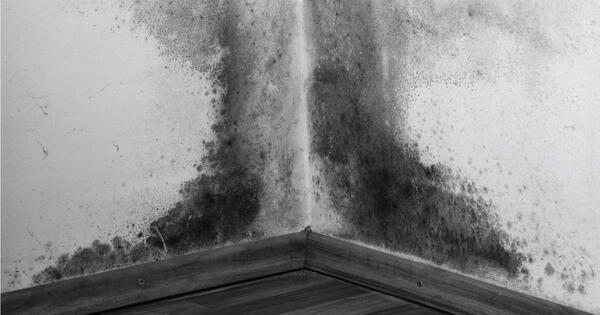
PVC doesn't absorb water, which means these panels won't stain, sag, or grow mold if humidity levels rise or a pipe drips overhead. That makes them a fundamentally different proposition from drop ceiling tiles, which often show water damage within a few years in a typical basement environment.
Installation is straightforward for a confident DIYer. Panels interlock with a tongue-and-groove system, fasten directly to framing with standard screws, and go up up to four times faster than drywall. There's no finishing stage—once the panels are up and trim is in place, the ceiling is done. Cost runs approximately $2.75–$3.75 per square foot for the panels themselves, which is competitive with mid-range drop ceiling tile systems once you factor in the lower labor cost.
On the acoustic side, Trusscore Wall&CeilingBoard panels deliver sound performance comparable to half-inch drywall when installed on standard assemblies—not a specialized acoustic solution, but a reasonable baseline for most residential applications.
Best Rooms: Basements, Laundry Rooms, Bathrooms
PVC panels are the right call for any room where moisture is a regular factor. The basements application page covers this in more detail, but the short version is: if you're finishing a space that sees humidity swings, the occasional leak, or regular condensation, PVC outperforms every other ceiling option on this list. For inspiration on how other homeowners have approached basement finishing more broadly, the basement renovation guide is a good starting point.
Option 2—Decorative Ceiling Tiles
Decorative ceiling tiles are a style-forward alternative to drop ceilings for living spaces where appearance is the top priority. They're designed to install flush against the ceiling surface—not suspended on a grid—which means you don't lose ceiling height and the look is cleaner.
Materials Available: Tin, PVC, and Foam
The main material types each come with different trade-offs. Here's what to know about each:
- Tin tiles: Classic, durable, and available in intricate patterns. They accept paint well and last a long time, but installation can be fiddly and they're on the pricier end of the range.
- PVC tiles: Lighter and more moisture-tolerant than tin, with a wider range of styles. Good value for the money and manageable for a DIY install.
- Foam tiles: The most affordable option, typically $0.50–$1.50 per square foot. Easy to cut and install, but they look it—foam tiles tend to feel budget and can dent or yellow over time.
Overall, decorative tiles run $1.00–$4.00 per square foot depending on material and complexity. They're not a good fit for moisture-prone spaces—even PVC versions aren't fully waterproof at the seams.
Best Fit: Living Rooms and Dining Areas
Decorative ceiling tiles work best in conditioned living spaces where the aesthetic contribution matters most. A coffered tin ceiling in a dining room or a patterned PVC tile in a study can genuinely elevate the space. They're not a practical choice for basements, laundry rooms, or anywhere humidity is a consistent factor.
Find a Retailer
Trusscore works with thousands of retailers across North America to bring you the best service and access to our products.
Option 3—Wood Ceiling Panels
Wood ceilings bring warmth and texture that no synthetic material fully replicates. Whether you're working with a rustic aesthetic or a more refined contemporary interior, wood ceiling panels can anchor a room's design in a way few other materials can.
Species, Finishes, and Style Versatility
The range is wide: pine and cedar are common for rustic or cottage-style applications; oak and walnut suit more formal or modern interiors; exotic hardwoods are available for high-end projects. Panels typically come pre-finished or unfinished, and can be installed in plank, tongue-and-groove, or coffered configurations. Cost varies significantly—from about $3.00 per square foot for basic pine planking to $10.00 or more for hardwoods with professional installation.
Considerations for Cost and Moisture Sensitivity
The core limitation of wood is its sensitivity to moisture. Wood expands, contracts, warps, and—in sustained humid environments—can grow mold. This makes it a poor choice for basements, laundry rooms, and bathrooms unless the space is fully climate-controlled. In well-maintained living spaces and bedrooms, wood performs well. But it's not a set-and-forget material—it needs periodic inspection and may require refinishing over time.
If you're drawn to the look of wood but are finishing a moisture-prone space, the basement drywall alternatives blog explains why material selection matters more in below-grade spaces and what performs better long-term.
Option 4—Stretch Fabric Ceilings
Stretch fabric ceilings are a specialty finishing option that creates a smooth, seamless ceiling surface using a lightweight polyester membrane stretched across a perimeter track. They're more common in commercial and high-end residential applications than in typical DIY projects, but they offer some genuinely unique capabilities.
How the Track System Works
The fabric membrane is attached to a track system fixed to the walls or existing ceiling structure. The track creates the tension needed to keep the fabric smooth and wrinkle-free. Once installed, the surface looks continuous—no seams, no grid, no tile joints. Cutouts can be made for light fixtures, vents, and HVAC diffusers. Installation almost always requires professional help, which drives the total installed cost to $5.00–$15.00 per square foot, sometimes higher.
Fire Rating, Customization, and Lighting Compatibility
Most stretch fabric products are fire-rated, which matters for building code compliance in occupied spaces. The fabric is available in a wide range of colors, finishes (including metallic and translucent options), and even backlit configurations that create an indirect lighting effect. That flexibility is the main reason designers specify stretch fabric—but it comes at a price. For a standard residential basement project, the cost-to-benefit ratio rarely makes sense.
Option 5—Open Grid and Exposed Ceiling Systems
An exposed ceiling forgoes the ceiling finish entirely—leaving structural elements, ductwork, conduit, and pipes visible above the living space. Done well, it creates a compelling industrial or loft aesthetic. Done poorly, it just looks unfinished.
Industrial and Loft Aesthetic
Exposed ceilings work best in spaces where the honest, raw look is intentional: converted basements, home workshops, home gyms, and urban-style lofts. The key to making an exposed ceiling look intentional rather than incomplete is painting the elements above—including the joists, ductwork, and pipes—in a consistent color, typically matte black or dark gray. This unifies the visual and makes the exposure feel like a design decision. Cost depends on the painting labor involved but is generally $1.50–$4.00 per square foot in total materials and prep.
Utility Access Advantages
The practical advantage of an exposed ceiling is straightforward: everything is accessible. Plumbing, electrical, and HVAC are visible and reachable without removing tiles or panels. For a workshop, mechanical room, or unfinished utility space, this is often the right default choice—skip the finished ceiling entirely and keep everything accessible. The downside is thermal performance: an exposed ceiling offers no insulation value and does nothing to buffer sound transmission from the floor above.
How to Choose the Right Drop Ceiling Alternative for Your Space
The right ceiling option depends on three factors: your budget, the room type, and whether you're doing the work yourself. Here's how to narrow it down.
Comparing by Budget, Room Type, and DIY Feasibility
Use these guidelines to identify the best option for your situation:
- Tight budget or utility space: An open grid or exposed ceiling is the most cost-effective path. Paint the structural elements and move on.
- Basement or laundry room with moisture concerns: PVC panels are the clear choice. They outperform every other option on moisture resistance and durability, and installation is manageable as a DIY project.
- Living room, dining room, or bedroom: Decorative ceiling tiles or wood panels make sense here, where aesthetics drive the decision and moisture isn't a factor.
- High-end or specialty commercial application: Stretch fabric ceilings offer the most design flexibility, but budget for professional installation.
- DIY-friendly options: PVC panels, decorative tiles, and open grid systems are all manageable for a homeowner with basic tools. Wood planking is moderate difficulty. Stretch fabric requires professional installation in almost all cases.
For a more detailed look at how these options compare specifically for ceiling alternatives to drywall, that post breaks down the trade-offs by material type.
FAQ
What Is the Cheapest Alternative to a Drop Ceiling?
An open or exposed ceiling is typically the least expensive option, since it skips the finish material entirely. If you need a finished surface, foam decorative ceiling tiles ($0.50–$1.50 per square foot) are the lowest-cost option, though they sacrifice durability and appearance. PVC panels are a step up in both cost and performance and are often the better long-term value for functional spaces.
Is Drywall Cheaper Than a Drop Ceiling?
Drywall material costs are often lower than drop ceiling tile systems, but the installation cost can be higher—drywall requires taping, mudding, sanding, and painting, which adds time and labor. Drop ceilings are faster to install but carry ongoing replacement and maintenance costs for stained or damaged tiles. For moisture-prone spaces, neither option performs particularly well; PVC panels are a stronger long-term investment than either.
What Ceiling Option Works Best in a Basement?
For most basements, PVC ceiling panels are the best option. They're waterproof, won't grow mold, and install faster than drywall. An exposed ceiling is a solid choice for utility areas or workshops where you want to maintain easy access to plumbing and electrical. Drop ceilings can work in dry, finished basements but tend to show moisture damage over time in below-grade environments.
Can I Install a Ceiling Alternative Myself?
Yes, for most options. Trusscore Wall&CeilingBoard, decorative ceiling tiles, and open exposed ceilings are all DIY-friendly with basic carpentry skills. Wood ceiling planks are moderate difficulty—doable for an experienced DIYer. Stretch fabric ceilings require professional installation and are not a realistic DIY project for most homeowners.
Drop ceilings aren't the only option—and for most homeowners finishing a real living space, they're probably not the best one. The right alternative depends on where you're working: PVC panels like Trusscore Wall&CeilingBoard are the strongest choice for basements, laundry rooms, and moisture-prone spaces. Decorative tiles and wood panels suit living spaces where aesthetics lead the decision. Exposed ceilings work for utility and workshop spaces. Stretch fabric is the specialty option for high-end or commercial projects.
Whatever direction you choose, you're better off making a deliberate decision than defaulting to a drop ceiling out of habit. Each alternative on this list offers a clearer set of trade-offs—pick the one that matches your space, your budget, and how you'll actually use the room.
Ready to explore PVC ceiling panels? Use the Trusscore Cost & Materials Estimator to build a materials list for your project, then find a retailer near you to get started.