Walk in cooler panels are essential for temperature control, sanitation, durability, and long-term performance in cold storage environments. Choosing the right panels goes beyond insulation and depends on how wall and ceiling systems handle moisture, cleaning, and daily wear. This guide covers what walk in cooler panels are, key performance factors buyers should evaluate in 2026, and how interior materials impact food safety, maintenance, and cost of ownership, including where Trusscore Wall&CeilingBoard fits within a complete walk-in cooler system.
Walk-in cooler panels are the backbone of any temperature-controlled storage space, from commercial kitchens and grocery stores to food processing facilities and agricultural cold rooms. Choosing the right panels isn’t just about insulation—it’s about durability, sanitation, moisture resistance, and long-term cost of ownership.
In this complete 2026 buyer’s guide, we’ll break down everything you need to know about walk-in cooler panels, including panel types, insulation options, moisture and mold resistance, cleanability, durability, installation considerations, and energy efficiency. You’ll also learn why PVC interior panels, like Trusscore Wall&CeilingBoard, are increasingly relied on by commercial and agricultural users to create hygienic, long-lasting, and professional cooler interiors. Whether you’re building a new facility or retrofitting an existing walk-in cooler, this guide will help you make informed decisions that protect your products, your staff, and your investment.


What Are Walk-In Cooler Panels and Why Do They Matter?
Walk in cooler panels are the parts that form the walls and ceilings of a refrigerated room. Their main job is to keep cold air in, warm air out, and create a clean, durable space for food and temperature-sensitive products.
Where Are Walk-In Cooler Panels Commonly Used?
Walk-in cooler panels are used anywhere reliable cold storage is needed. You’ll commonly find walk in cooler panels in environments such as:
- Restaurants and commercial kitchens: Keeping ingredients at safe temperatures throughout the day.
- Grocery stores and food retailers: Preserving freshness for produce, dairy, meat, and frozen items.
- Food processing facilities: Supporting safe storage during preparation, packaging, and distribution.
- Agricultural operations: Protecting crops and harvested goods before they’re shipped or sold.
Wall and ceiling panels work together to create a sealed space. Wall panels form the sides of the cooler, while ceiling panels close off the top and help reduce heat coming in from above. When these panels are installed as a system, they help prevent air leaks, limit condensation, and keep cooling equipment from running nonstop.
Choosing the right walk in cooler panels matter more than many buyers expect. The right panels help maintain steady temperatures, support proper sanitation, and last longer in cold, wet conditions. Poor panel choices can lead to moisture problems, surface damage, and higher energy costs over time.
What Types of Walk-In Cooler Panels Are Available?
Most walk-in coolers are built using a mix of insulated structure and interior surface materials. Each part plays a different role in how the cooler performs day to day.
One of the most common options is insulated metal panels, often called IMPs. These panels are made of metal skins with rigid foam insulation in the middle. They provide both structure and insulation and are widely used for walk in cooler and walk in freezer panels.
There are also several materials used specifically for interior cooler walls and ceilings. Common options include:
- Painted or coated metal panels: Strong and familiar, but they can dent, scratch, or corrode over time.
- FRP panels: Lightweight and affordable, though seams and fasteners can be harder to keep clean.
- PVC wall and ceiling panels: Non-porous panels designed to handle moisture and frequent cleaning.
PVC wall panels are often easier to maintain than metal panels on the interior of a cooler. They don’t rust, they don’t absorb moisture, and they clean up quickly after washdowns. While they don’t replace insulation, they help protect the interior surfaces and reduce long-term upkeep.
| Material | Moisture Resistance | Impact Resistance | Cleanability | Common Failure Modes | Typical Lifespan |
|---|---|---|---|---|---|
| Painted Metal | Moderate | Low–Moderate | Moderate | Corrosion, dents | 10–15 years |
| FRP Panels | Moderate | Low | Moderate | Delamination, mold behind panels | 8–12 years |
| PVC Panels | High | High | Excellent | Minimal when installed correctly | 15–25+ years |
How Do Common Walk-In Cooler Panel Materials Compare?
When comparing walk in cooler panels, it’s important to look at more than insulation value alone. A good system balances temperature control with interior durability.
- Thermal performance keeps the cooler cold, but interior surface performance affects how the space functions every day. Insulation helps maintain temperature, while the interior panel surface impacts cleaning, moisture resistance, and overall lifespan.
- Moisture control is another major factor. Vapor barriers and moisture-resistant materials help stop condensation from getting inside wall assemblies. Without proper protection, moisture can damage panels, reduce insulation performance, and create sanitation issues.
- Seams and joints also matter more than they might seem. Poorly sealed joints can allow air to escape and give bacteria or debris places to collect. Smooth panel connections make the cooler easier to clean and help reduce energy loss.
What Certifications and Ratings Should Buyers Look For?
Buyers should also check for certifications and standards that show panels are suitable for commercial cold storage. These typically include:
- Food-safe material ratings: Indicating panels are appropriate for food-related environments.
- Fire performance ratings: Helping meet building code requirements.
- Washdown compatibility: Supporting regular cleaning and sanitation routines.
Evaluating these factors together helps ensure walk in cooler panels deliver consistent temperatures, stay clean, and hold up over years of use.
How Do Walk-In Cooler Panels Handle Moisture, Mold, and Condensation?
Condensation is one of the most common problems in walk-in coolers, and it can lead to a cascade of maintenance and health issues if not properly managed. When warm, humid air meets the cold interior surfaces of a cooler, moisture condenses on the walls, ceilings, and panels. Over time, repeated condensation can compromise insulation, promote corrosion in metal panels, and create the perfect environment for mold growth.
Panels that absorb moisture are particularly vulnerable. Water intrusion can swell cores, warp panel surfaces, and reduce overall thermal efficiency, forcing refrigeration systems to work harder. Left unchecked, this not only shortens panel lifespan but can also compromise food safety.
Non-porous wall and ceiling panels play a key role in preventing mold. By keeping moisture from penetrating the surface, these panels create an interior that is easier to clean and less hospitable to bacteria and fungal growth. PVC panels perform well in high-humidity cooler environments. Their non-porous structure resists water absorption, minimizes condensation-related damage, and supports long-term sanitation standards in both commercial and industrial applications.
How Do Cleanability and Food Safety Influence Panel Selection?
Maintaining a sanitary interior is critical for walk-in coolers in any food-handling environment. Health inspectors pay close attention to wall and ceiling surfaces, looking for cracks, seams, or materials that trap debris and bacteria. Smooth, non-fibrous panel surfaces make it easier to meet these standards, allowing staff to quickly and effectively clean high-traffic areas.
Panel material directly affects how cleaning and wash-down routines are executed:
- Metal panels can withstand regular cleaning but may be prone to corrosion if chemicals are too harsh or water penetrates seams.
- PVC and other non-porous panels tolerate frequent washdowns and aggressive cleaning chemicals without degrading. Their smooth surfaces reduce hidden crevices where contaminants could accumulate, supporting ongoing food safety compliance.
Choosing panels that handle regular sanitation without wear ensures that walk-in coolers remain hygienic over years of use. The right interior finish reduces maintenance time, minimizes chemical exposure risks, and helps facilities maintain consistent compliance with health standards.
How Durable Do Walk-In Cooler Panels Need to Be in High-Traffic Areas?
Walk-in cooler walls see a lot of wear and tear over time. Forklifts, carts, racks, and frequent staff movement can dent, scratch, or otherwise damage interior panels. Metal panels, while strong structurally, are susceptible to dents and corrosion, which can weaken insulation, affect sealing at seams, and reduce the overall life of the cooler.
PVC wall panels, by contrast, are highly impact-resistant. They can absorb bumps from carts and racks without cracking or denting, making them ideal for high-traffic environments such as busy kitchens, grocery backrooms, and food processing facilities. Their durability extends the life of the cooler interior, reducing replacement and maintenance costs.
With proper materials and installation, walk-in cooler panels can realistically last 15 to 25 years or more. Choosing panels that balance thermal performance, moisture resistance, cleanability, and impact resistance ensures that the cooler maintains both functionality and appearance over decades of daily use.


What Installation and Retrofit Options Should Buyers Consider?
Walk-in cooler panels can often be installed over existing walls, making retrofits a practical option for many commercial and industrial facilities. Installing over existing surfaces avoids the need for full demolition, reduces downtime, and allows businesses to upgrade insulation or interior finishes without major disruption.
Can Walk-In Cooler Panels Be Installed Over Existing Surfaces?
Retrofitting a cooler interior is generally less invasive than building new, but careful planning is key. Lightweight panels are easier to handle than traditional metal options, simplifying alignment, fastening, and seam sealing. This can speed up installation and reduce labor costs, especially in tight spaces or high-ceilinged rooms.
How Do Trims and Accessories Improve Performance?
Trims and accessories also play an important role in creating a finished, professional look. Corner trims, edge caps, and sealants help create airtight joints, hide panel edges, and provide a smooth interior surface that’s easier to clean. Properly detailed finishes also protect against moisture intrusion, helping extend the life of the cooler and maintain consistent temperature control.
Why Are Ceiling Panels Especially Critical in Walk-In Coolers?
Ceiling panels are often overlooked in cooler design, yet they are critical for performance and longevity. Cool ceilings are particularly prone to condensation and corrosion because they are exposed to rising warm air and moisture from the space below. Without proper materials and installation, this can lead to water damage, mold growth, and energy loss.
Which Ceiling Materials Perform Best Over Time?
Materials that perform best overhead are those that resist moisture, corrosion, and temperature fluctuations. Non-porous, rigid panels like PVC or coated metal with moisture-resistant cores provide durability while remaining easy to clean. These panels can also integrate with lighting fixtures, ventilation, and other overhead systems without compromising insulation or surface integrity.
Finished ceilings not only improve sanitation by creating smooth, sealed surfaces, they also contribute to energy efficiency. By reducing air leaks and maintaining an unbroken thermal envelope, well-designed ceiling panels help refrigeration systems work less, reducing energy use and operational costs over the life of the cooler.
How Do Walk-In Cooler Panels Affect Energy Efficiency and Long-Term Costs?
Interior panels play a direct role in a cooler’s energy efficiency and long-term costs. Well-sealed panels maintain consistent temperatures, limit air leaks, and reduce condensation—issues that can otherwise force refrigeration systems to run more often and increase energy bills.
What Drives Long-Term Energy Loss in Walk-In Coolers?
Air leaks, gaps at seams, and panels that absorb moisture all increase operating costs. They create uneven temperatures, reduce thermal performance, and can lead to expensive maintenance down the line. Choosing panels that maintain their integrity over time helps reduce these hidden costs.
How Do Panel Choices Affect Total Cost of Ownership?
Over a 10 to 20 year period, buyers should consider not just the initial material cost but ongoing maintenance and potential replacement expenses. Higher-quality interior panels may come at a premium upfront, but they often offer superior durability, moisture resistance, and cleanability. In practice, these panels reduce maintenance frequency, protect refrigeration efficiency, and support consistent food safety—making them a smart investment for long-term performance and cost savings.
| Factor | Lower-Grade Panels | High-Quality PVC Panels |
|---|---|---|
| Maintenance Frequency |
High |
Low |
| Condensation Risk |
High |
Minimal |
| Replacement Cycle |
8–12 years |
15–25+ years |
| Energy Efficiency |
Reduced |
Maintained |
Why Does Trusscore Wall&CeilingBoard Work in Walk-In Cooler Applications?
Designed specifically for cold, wet, and high-traffic environments, Trusscore panels meet the highest standards for cleanliness and product integrity.
What Makes Trusscore Different from FRP and Metal Panels?
Walk-in cooler interiors face constant moisture, temperature swings, and frequent cleaning. Unlike traditional FRP panels, Trusscore Wall&CeilingBoard does not rely on adhesives or backer boards that can degrade over time and trap moisture. This prevents hidden gaps where mold, mildew, or bacteria could develop, keeping your cooler safer and easier to maintain.


What Are the Key Advantages of Trusscore Wall&CeilingBoard?
Key advantages of Trusscore Wall&CeilingBoard include:
- Moisture & Water Resistance: Trusscore panels are made from 100% non-porous PVC. They resist water, don’t warp or swell, and the tongue-and-groove interlocking system creates a watertight seal without glue or backing. This protects the walls behind the panels and ensures long-term performance in humid cooler environments.
- Hygienic & Easy to Clean: Trusscore Wall&CeilingBoard surfaces are antimicrobial and smooth, making them simple to sanitize. They withstand repeated cleaning with soap, chemical cleaners, or pressure washing. Trusscore panels are fully compliant with CFIA, FDA, USDA, and cGMP requirements, making them ideal for food storage and other perishable goods.
- Durability & Impact Resistance: The combination of PVC’s abrasion resistance and Trusscore’s truss design allows panels to handle high-traffic areas and impacts from carts, racks, or equipment without denting, cracking, or degrading.
- Quick and Easy Installation: Trusscore panels are lightweight and installer-friendly, featuring a pre-punched screw flange and tongue-and-groove interlocking system. They can be installed directly over existing FRP, drywall, or bare studs, reducing downtime during retrofits and simplifying new builds.
- Professional Finish: Trusscore trims and accessories create airtight, sealed joints, improving both sanitation and temperature control while providing a polished, professional look.
- Flexible Sizes: Available in lengths from 8’ to 20’, Trusscore Wall&CeilingBoard adapts to coolers and cold storage rooms of any size, providing consistent performance across applications.
Choosing Trusscore Wall&CeilingBoard means you’re investing in a hygienic, durable, and low-maintenance interior. With Trusscore, your walk-in cooler will maintain consistent temperature control, remain easy to clean, and protect your stored goods for years to come.

CUSTOMER STORY
Precious Petals Walk-In Cooler
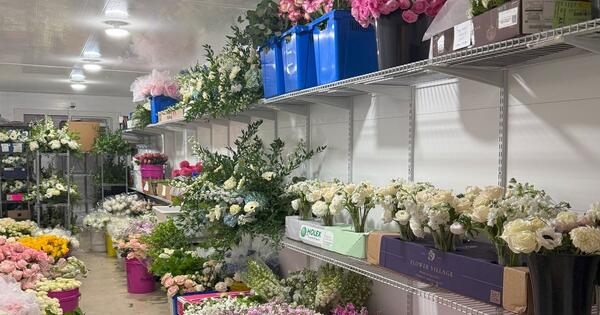
Precious Petals, a wedding and event floral studio in Columbia Station, Ohio, built a walk-in cooler with Trusscore Wall&CeilingBoard that’s durable, easy to clean, and still performing flawlessly three years later.
How Should Buyers Choose the Right Walk-In Cooler Panel System for Their Facility?
Choosing the right walk-in cooler panel system depends on several factors, starting with how the cooler will be used. Buyers should prioritize insulation performance, interior durability, and cleanability based on the type of products stored, expected traffic, and cleaning routines.
Budget, durability, and sanitation often involve trade-offs. Lower-cost panels may provide adequate insulation but could dent, corrode, or degrade faster, increasing maintenance and replacement costs. Higher-quality panels with non-porous surfaces may require a higher upfront investment but deliver longer life, easier cleaning, and reduced energy use.
The decision should involve all key stakeholders: facility owners, contractors or installers, and in some cases, health inspectors or compliance officers. Each perspective ensures that the panel system meets operational needs, regulatory standards, and long-term maintenance goals.
What Questions Should Buyers Ask Panel Suppliers?
When talking to panel suppliers, ask:
- How do materials perform in cold, humid conditions?
- Are panels compatible with washdown chemicals?
- What impact resistance is provided?
- Which trims ensure sealed, hygienic finishes?
- What is the expected service life and warranty?
By considering these factors together, buyers can select a walk-in cooler panel system that balances performance, sanitation, and long-term cost—helping their facility run efficiently and safely for years to come.
Walk-In Cooler Panels FAQ
Are PVC wall panels approved for food environments?
Yes. Trusscore Wall&CeilingBoard is fully compliant with CFIA, FDA, USDA, and cGMP standards, making it suitable for food storage, processing, and other perishable goods. The panels’ non-porous, antimicrobial surfaces help maintain hygienic conditions and support health and safety regulations in commercial and agricultural environments.
Can Trusscore panels handle cold temperatures?
Absolutely. Trusscore PVC panels maintain their structural integrity in both walk-in cooler and walk-in freezer conditions. They remain rigid yet flexible in sub-zero temperatures and will not crack, warp, or degrade, making them ideal for temperature-controlled storage applications.
How do they perform over time in humid conditions?
Trusscore panels are 100% moisture- and water-resistant, and their tongue-and-groove interlocking system prevents water from penetrating behind the panels. Unlike FRP or other glued materials, Trusscore Wall&CeilingBoard does not delaminate, swell, or harbor mold and mildew. Over time, the panels maintain a clean, durable surface even in high-humidity environments.
What trims are recommended?
Trusscore offers Inside Corner Cove trim to direct water downward and Base Trim to prevent water or condensation from getting behind panels. These trims help maintain a fully sealed, hygienic interior while protecting both the panels and the wall behind them. No additional accessories are required.
Selecting the right walk-in cooler panels is critical for maintaining consistent temperatures, supporting sanitation, and protecting your investment over the long term. From insulation performance to moisture resistance, impact durability, and cleanability, each factor plays a role in creating a professional, efficient, and safe cold storage environment.
Trusscore Wall&CeilingBoard offers a proven solution for commercial and agricultural walk-in coolers, providing moisture-resistant, impact-resistant, and easy-to-clean interior surfaces that meet stringent food-safety standards. By choosing high-quality interior panels and considering factors like installation, trims, and ceiling performance, buyers can ensure their cooler or cold storage room performs reliably for years to come.