Drywall has been the default choice for interior walls for decades, but it’s not the only option, and for a lot of spaces, it’s not the best one. Paneling for walls has become a popular alternative because it comes in a wide range of materials and styles, each suited to different needs. Some homeowners want the warm, layered look of wood paneling for walls in a living room. Others need something that can handle daily moisture in a bathroom or the occasional impact in a garage.
Choosing the right wall paneling depends on where the panels will go, how much moisture the space sees, how much wear the walls need to withstand, how much upkeep you’re willing to do, and what look you’re after. This guide compares the most common styles and materials honestly and breaks down which panels for walls make sense room by room.
What Is Wall Paneling?
Wall paneling is a broad category, and it helps to see how it stacks up against the material most people already know: drywall.
Wall paneling vs. drywall: what’s the difference?
Drywall and wall paneling solve the same problem, a finished interior wall, but in different ways. Here’s how they compare on what matters most.
- Installation: Drywall means hanging sheets, then taping, mudding, sanding, and painting. Most paneling installs directly to studs, or over drywall, with no finishing steps.
- Appearance: Drywall needs paint to look finished; paneling arrives pre-finished, with color and profile built in.
- Maintenance: Drywall scuffs and stains easily, requiring patching and repainting. Paneling, especially PVC, just wipes clean.
- Durability: Drywall cracks and dents easily under impact; PVC and FRP hold up to far more abuse.
- Moisture resistance: Drywall absorbs water and can grow mold within 24 to 48 hours. Moisture-resistant paneling sheds water instead.
- Ideal applications: Drywall suits dry, climate-controlled spaces. Paneling suits high-moisture and high-traffic spaces, though wood and MDF also work well in dry rooms.
Drywall and wall paneling each have their place. Drywall remains practical for dry, low-traffic rooms you plan to paint. Paneling wins when you want a finished look without painting, or when a room’s demands exceed what drywall can handle.
Types of Wall Paneling by Style
Style determines how a finished wall looks, while material determines how it performs over time. The four styles below are the most common, and each is available across multiple materials, including wood, PVC, and MDF.
Shiplap
Shiplap panels feature horizontal boards with a rabbet-cut edge that creates a small groove where each board overlaps the next. It’s a farmhouse and coastal design staple used on accent walls, ceilings, and full rooms. Shiplap adds texture without overwhelming a space, though exposed grooves collect dust, and solid wood versions need regular finishing.
Beadboard
Beadboard consists of narrow, vertical planks with a rounded groove, or bead, running between each one. It’s a traditional choice for wainscoting, kitchens, and bathrooms, reading as classic rather than rustic. It works well on a lower half-wall, leaving the upper wall for paint. In wood or MDF, it’s vulnerable to moisture; in PVC, it holds up in damp rooms without the maintenance.
Board and batten
Board and batten uses wide, flat boards with narrower strips, or battens, covering the seams between them for a strong vertical line. It’s common on accent walls and in modern interiors where clean geometry is the goal. It’s durable and fairly easy to install, though it needs precise layout planning to keep spacing even.
Tongue and groove
Tongue and groove panels interlock edge to edge, with a tongue on one panel fitting into a matching groove on the next. This creates a tight connection and hides fasteners underneath. It’s used in decorative and functional applications alike, from cabins to garages and bathrooms, because the interlocking system speeds up installation. The tradeoff: a damaged panel mid-wall is harder to replace individually.
Types of Wall Paneling by Material
Style shapes the look of a finished wall, but material determines how it performs for years to come, and picking the right one is often the more important decision of the two.
Wood paneling
Wood paneling for walls delivers a natural, warm look that’s hard to replicate, with grain and tone varying by species and finish. It’s durable when properly maintained, and solid wood panels can last decades. The tradeoff is upkeep: wood panels need periodic refinishing, and they expand and contract with humidity, which can cause warping. Wood panels for walls are also vulnerable to sustained moisture, making them a poor fit for bathrooms or basements. They’re best suited to living rooms, bedrooms, and home offices, where appearance is the priority.
MDF paneling
MDF, or medium-density fiberboard, is one of the most affordable materials for decorative wall panels, made from compressed wood fibers and resin. It’s smooth and takes paint exceptionally well, making it a favorite for DIY accent walls and shiplap-style installations. The tradeoff is moisture sensitivity: MDF swells and deteriorates quickly when exposed to water, so it should stay out of bathrooms, basements, and anywhere prone to leaks.
Trusscore Wall&CeilingBoard
PVC solves the moisture problem that wood and MDF can’t. Trusscore Wall&CeilingBoard is a good example: it’s 100 percent PVC, completely water-resistant, and will never grow mold or mildew, even after long-term exposure to standing water. The panels use an interlocking tongue-and-groove design that hides fasteners and creates a clean finish with no taping, mudding, or painting. They’re also scratch, dent, and impact resistant, which matters in spaces that take daily wear.
Cleaning is simple: the panels wipe clean with soap and water and handle chemical cleaners or pressure washing without damage, which is why Trusscore Wall&CeilingBoard has become so popular for bathrooms and utility spaces. Installation is DIY-friendly, too. The panels are roughly 40 percent lighter than drywall and install up to four times faster, making PVC the preferred material for moisture-prone and high-traffic spaces where low maintenance matters more than a decorative finish.

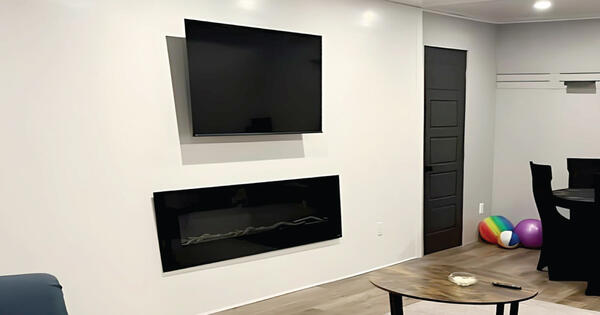
Trusscore Wall&CeilingBoard in a Modular Home
FRP panels
FRP, or fiberglass-reinforced polymer, panels are a longtime standard in commercial kitchens and walk-in coolers because they meet code requirements for washable, sanitary walls. FRP is durable, but installation is more involved, typically requiring a backing material, adhesive, and multiple installers for a clean bond.
Compared to Trusscore Wall&CeilingBoard, FRP has a real weak point at the seams. Because it relies on glued edges rather than a mechanical interlock, seams can separate over time, letting moisture behind the panel unnoticed. Interlocking PVC seals every seam watertight, installs without adhesive, and typically costs less.
How to Choose Paneling for Walls by Room
Not every room places the same demands on its walls, which is why there’s no single best paneling material for every project.
Garages and workshops
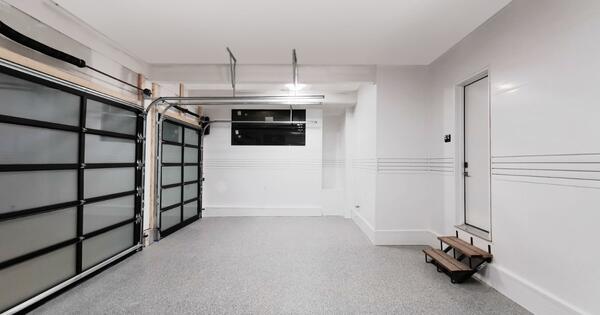
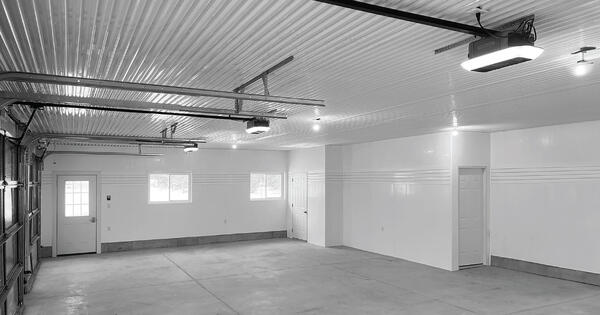
Garage walls take a beating: bumped car doors, dropped tools, road salt, and humidity swings most living spaces never see. Moisture resistance matters because unheated garages are prone to condensation, and impact resistance matters because a garage is, by nature, a workspace. Wood and MDF struggle here, but PVC handles both without warping. See this guide to drywall alternatives for garage walls, and browse garage and workshop applications for real examples.
Basements
Basements bring below-grade humidity, the risk of minor flooding, and a dampness most rooms don’t deal with. Waterproofing is non-negotiable, and mold resistance matters just as much, since limited airflow lets moisture linger. Drywall absorbs water and starts growing mold within days, making it a poor basement material. PVC sheds water instead, so a minor leak doesn’t mean replacing the walls. See this roundup of basement wall ideas and the full basement applications page.
Bathrooms and laundry rooms
Few rooms see as much sustained moisture as bathrooms and laundry rooms, between showers, sinks, and everyday laundry humidity. Wood and MDF panels are a poor match since both absorb water and swell over time, and even painted drywall is vulnerable to constant humidity. Waterproof paneling for shower walls needs to handle direct water contact without breaking down, which is where PVC outperforms everything else here. Trusscore Wall&CeilingBoard is 100 percent water and moisture resistant, so it can be installed directly in a shower enclosure as a full waterproof wall system, not just around the wet zone.
Commercial spaces
Commercial buildings answer to different priorities: cleanability, code compliance, durability, and minimal maintenance across large square footage. Health codes in commercial kitchens, food processing facilities, and healthcare settings often require washable, non-porous walls, and the same standard applies to agricultural facilities and wash bays. PVC and FRP both meet these requirements, but PVC generally installs faster and holds up better at the seams.

Trusscore Wall&CeilingBoard in a Garage

Trusscore Wall&CeilingBoard in a Basement

Trusscore Wall&CeilingBoard in a Bathroom

Trusscore Wall&CeilingBoard in a Commercial Kitchen
DIY Paneling for Walls: What to Know Before You Start
Before starting, be honest about your skill level and the tools on hand, since that determines whether this is a weekend project or a job for a professional. Do it yourself paneling for walls is realistic for most homeowners with basic carpentry skills, but a few fundamentals matter no matter which material you choose.
Start with the wall itself. Check that studs are spaced consistently, typically sixteen inches on center, and confirm the framing is straight before panels go up. If installing over existing drywall, use a stud finder to mark stud locations first. From there, here’s what the basic installation process looks like:
- Measure and plan: Measure wall height and width, account for outlets and openings, and calculate how many panels you’ll need before cutting.
- Cut panels to size: A circular saw handles straight cuts, and a jigsaw handles cutouts around fixtures; PVC cuts cleanest with a fine-tooth blade.
- Install the trim base: Fasten the Trusscore Trims Universal Base at corners, ceilings, and floors before any panels go up, so the perimeter is set and ready.
- Fasten to studs: Start in a corner and work across the wall, fastening each panel into every stud it crosses.
- Snap on the trim covers: Once every panel is up, snap the trim covers over the installed base to lock everything in place and hide the edges.
This base-first system is what makes Trusscore panels easier to install than most: instead of wrestling a panel edge into a trim channel that's already on the wall, you fasten panels against an open perimeter, then snap the trim covers on last. Interlocking systems make this easier, too, since the tongue-and-groove design keeps panels aligned and hides fasteners as you go. With Trusscore Wall&CeilingBoard, there's no taping, mudding, or painting once panels and trim are in place. Some projects are better left to a professional, though: full shower installations, complex cuts around plumbing, or structural framing changes.
Frequently Asked Questions
Quick answers to the most common questions about paneling for walls.
What is the cheapest paneling for walls?
MDF and OSB panels are typically the least expensive, often costing less per square foot than wood, PVC, or FRP. They work for dry, low-traffic rooms on a tight budget, but trade durability and moisture resistance for that lower upfront cost.
What type of paneling works best in moisture-prone areas like garages and basements?
PVC is the best material choice for garages, basements, and other moisture-prone spaces. It’s 100 percent waterproof, never supports mold growth, and holds up to humidity swings and occasional flooding without warping.
Is wall paneling a good alternative to drywall?
Yes, in many situations. Paneling installs faster, arrives pre-finished, and often outperforms drywall on durability and moisture resistance. Drywall still makes sense in dry, low-traffic rooms, but paneling is generally the better choice wherever moisture or impact is a concern.
Can I install wall paneling myself?
Most paneling systems are DIY-friendly for homeowners with basic carpentry skills, especially interlocking tongue-and-groove panels that need no finishing. More complex jobs, like full shower enclosures or structural changes, are better handled by a professional.
How long does wall paneling last?
It depends on the material. Wood and MDF panels typically last years but need periodic maintenance, while high-quality PVC can last for decades with no refinishing, holding up to moisture and daily wear far longer than drywall.
Where can I buy paneling for walls?
Wood, MDF, and FRP panels are widely available at home improvement and building supply retailers. Trusscore Wall&CeilingBoard is available through a network of dealers; use the Trusscore dealer locator to find a retailer near you.
Choosing the right paneling for walls comes down to matching the material to the room: where it’s going, how much moisture the space sees, how much wear the walls need to withstand, how much maintenance you’re willing to do, and what you’re comfortable spending. Wood and MDF bring warmth and affordability to dry living spaces, while FRP has long served commercial kitchens and processing facilities that need a washable surface.
For garages, basements, bathrooms, laundry rooms, and commercial spaces, Trusscore Wall&CeilingBoard stands out as the strongest option. It’s waterproof, mold-resistant, impact-resistant, and low-maintenance, in a panel system that installs faster than drywall and never needs painting. It’s a durable alternative built for the long haul.
Ready to see it in your own space? Explore Trusscore Wall&CeilingBoard and find a dealer near you to get your project started.