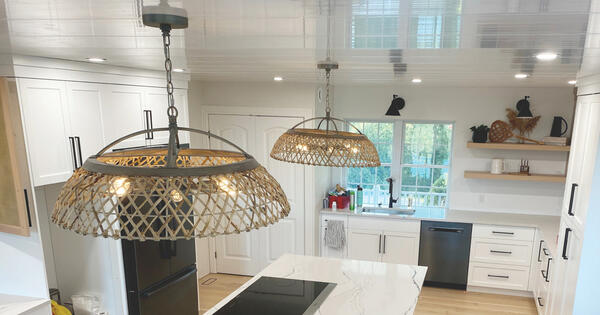
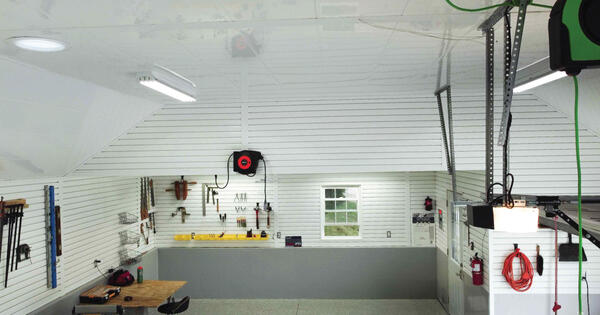
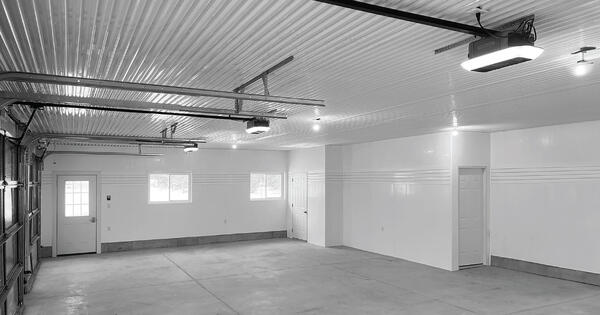
Choosing the right ceiling panels is one of those decisions that looks simple on the surface—until you start comparing options. Material, installation method, moisture performance, cost, and room-specific requirements all pull in different directions. Whether you're a homeowner finishing a basement, a contractor renovating a commercial facility, or a property owner planning a new build, the choices you make at the ceiling level affect durability, maintenance, and long-term value for years to come.
This guide covers everything you need to make a confident decision. We'll walk through the most common ceiling panel materials—PVC, drop, wood, tin, and acoustic—compare installation methods, break down realistic 2026 cost ranges, and offer room-by-room recommendations. By the end, you'll know exactly which ceiling panel type fits your space and your budget.
What Are Ceiling Panels?
Ceiling panels are rigid or semi-rigid sheets installed on a ceiling surface to finish, protect, or improve the overhead space. Unlike a bare concrete slab or exposed joist system, ceiling panels provide a clean finished appearance and can add functional performance—moisture resistance, sound absorption, thermal insulation, and ease of maintenance—depending on the material chosen.
Ceiling Panels vs. Ceiling Tiles—What's the Difference?
The terms "ceiling panels" and "ceiling tiles" are used interchangeably in everyday conversation, but there are meaningful differences worth knowing before you buy. Ceiling panels tend to be larger, longer planks or sheets that attach directly to a ceiling substrate or joists. Ceiling tiles are typically smaller, square or rectangular units designed to drop into a suspended grid system. In practice, product listings blur the line—some manufacturers call their grid-mounted products "panels"—so it's worth clarifying the installation method before purchasing.
The table below summarizes the core differences between panels and tiles:
| Feature | Ceiling Panels | Ceiling Tiles |
|---|---|---|
| Size | Large planks or sheets | Smaller squares (typically 2×2 ft or 2×4 ft) |
| Installation | Direct attach, glue-up, or clip systems | Suspended grid systems |
| Best for | Garages, basements, commercial, agricultural spaces | Offices, drop ceilings, spaces needing utility access |
| Common materials | PVC, wood, tin, gypsum | Mineral fiber, acoustic foam, PVC |
When utility access and easy removal are priorities, tiles in a grid system are typically the better fit. When you want a clean, seamless look with stronger moisture resistance, panels that direct-attach to the ceiling are usually the stronger choice.
Types of Ceiling Panels
Not all ceiling panels are designed for the same environment or performance requirements. A panel that excels in a quiet office will fail in a high-humidity garage. A decorative tin tile that looks stunning in a dining room has no business being installed in a car wash. Understanding the differences between major panel types is the first step toward choosing the right product for your project.
PVC Ceiling Panels
PVC ceiling panels are among the most versatile and durable ceiling options available. Made from rigid or semi-rigid polyvinyl chloride, they're 100% waterproof, completely mold and mildew resistant, and easy to wipe clean with minimal effort. These characteristics make PVC the material of choice in spaces where moisture, humidity, and cleanliness are non-negotiable.
PVC ceiling panels are well suited for the following spaces:
- Garages and workshops where temperature swings and humidity are constant concerns
- Basements that face periodic moisture intrusion or humidity
- Commercial facilities including car washes, food processing plants, and agricultural buildings
- Any space where a durable, long-lasting finish is more valuable than a decorative one
Trusscore Wall&CeilingBoard is a high-performance PVC panel system built specifically for demanding environments. It installs with a click-together interlocking system, reflects up to 94% of available light, and never needs painting. Learn more on the Trusscore Wall&CeilingBoard product page, or explore how it performs in garages and workshops and basements.


Drop Ceiling Panels
Drop ceiling panels—also called suspended ceiling panels—are installed into a metal grid framework hung from the structural ceiling above. The grid creates a false ceiling, and individual tiles drop into the grid openings. This system is the standard in commercial offices, schools, hospitals, and retail spaces.
The primary advantage of a drop ceiling is accessibility. Individual tiles lift out easily, giving contractors and building managers unobstructed access to plumbing, electrical conduit, HVAC ductwork, and other utilities above the ceiling plane. The trade-off is headroom—a suspended grid typically reduces ceiling height by four to eight inches, which matters in spaces that are already low. Drop ceilings also tend to sag, stain, or crumble if exposed to moisture, making them a poor fit for garages, basements with humidity problems, or agricultural environments.
Wood and Faux Wood Ceiling Panels
Wood ceiling panels bring warmth and a natural aesthetic that few other materials can replicate. Popular in living rooms, dining areas, restaurants, and boutique retail spaces, they range from rustic shiplap and tongue-and-groove pine to more refined hardwood planks. Faux wood panels—typically made from PVC or composite materials printed with a wood-grain finish—offer a similar look with better moisture resistance and lower maintenance demands.
Real wood ceilings require sealing and periodic refinishing to maintain their appearance, and they're vulnerable to warping, cracking, and mold growth in humid environments. Faux wood options sidestep most of those concerns while still delivering the visual warmth of natural wood. Neither option is well suited for high-moisture or high-traffic utility spaces.
Tin and Faux Tin Ceiling Panels
Tin ceiling panels are a decorative option with roots in nineteenth-century commercial architecture. Stamped metal tiles with intricate geometric or floral patterns add a distinctive vintage aesthetic to restaurants, bars, retail stores, and historic renovation projects. True stamped steel or copper panels are heavier and more expensive; faux tin options made from PVC or polystyrene are lighter and less costly while replicating the look reasonably well.
Tin and faux tin panels are primarily a design decision. They offer minimal acoustic or thermal benefit, and installation requires careful planning around the repeat pattern. They're not appropriate for spaces with moisture exposure, and cleaning can be more involved than smooth-surface panels.
Acoustic Ceiling Panels
Acoustic ceiling panels are engineered specifically to control sound within a space. They're common in recording studios, open-plan offices, classrooms, gymnasiums, and any environment where echo, reverberation, or sound transmission between floors is a problem. Two key ratings define acoustic performance: the Noise Reduction Coefficient (NRC) measures how much sound a panel absorbs, with higher values indicating better absorption; the Ceiling Attenuation Class (CAC) rating measures how much sound the panel blocks from traveling between spaces.
Acoustic panels are typically made from mineral fiber, fiberglass, or specialized foam materials. They prioritize performance over moisture resistance, and most are not appropriate for wet or humid environments. When sound control is the primary requirement, acoustic panels are the right tool; when durability and moisture resistance are the priority, a different panel type will serve better.
The table below summarizes the major ceiling panel types across the criteria that matter most to buyers:
| Type | Waterproof | Mold Resistant | Acoustic | DIY-Friendly | Best For | Cost |
|---|---|---|---|---|---|---|
| PVC | Yes | Yes | Moderate | Yes | Garage, basement, commercial, agricultural | $$ |
| Drop / Suspended | No | No | Good | Moderate | Office, commercial, utility access | $–$$ |
| Wood / Faux Wood | No / Partial | No / Partial | Low | Moderate | Living rooms, restaurants, retail | $$–$$$ |
| Tin / Faux Tin | No | No | Low | Moderate | Decorative, historic renovation | $$–$$$ |
| Acoustic | No | No | Excellent | Yes | Studios, offices, classrooms | $$–$$$ |
The table makes one thing clear: no single panel type excels in every category. PVC panels lead in moisture resistance and durability across varied environments, while acoustic and drop ceiling systems win where sound control and utility access are the primary concerns.
How to Choose Ceiling Panels for Your Space
Once you understand the major panel types, the next step is matching those options to your specific project requirements. Five criteria should drive your decision: moisture resistance, durability, ease of installation, acoustic performance, and aesthetics. Not all five will carry equal weight in every project—the key is knowing which criteria matter most in your space.
Moisture and Water Resistance
Moisture is the single most important buying criterion in garages, basements, agricultural buildings, commercial kitchens, car washes, and any other space with high humidity or direct water exposure. Standard ceiling materials—drywall, mineral fiber tiles, untreated wood—absorb moisture, swell, stain, and eventually support mold growth. Only truly waterproof panel materials like PVC hold up reliably over the long term in these environments. If your space has any meaningful moisture exposure, prioritize waterproof panels above all other criteria.
Durability and Impact Resistance
Durability matters most in high-traffic spaces, workshops, and commercial or agricultural facilities. A panel that dents, chips, or breaks under routine use adds ongoing maintenance costs and creates an unsightly finished space. PVC panels offer strong impact resistance and won't rust, rot, or corrode. Wood panels are more vulnerable to denting and scratching. Drop ceiling tiles are notoriously fragile and easily damaged by ladders, equipment, and simple handling during tile removal.
Ease of Installation
Installation complexity varies significantly across panel types. Interlocking PVC panels with click-together systems are among the most DIY-accessible ceiling options available—no special tools, no compound, no finishing work after installation. Drop ceiling grids require precise leveling and measuring but are also manageable for experienced DIYers. Tin and faux tin panels with repeating patterns require more planning and care to align correctly. Wood panels may require cutting, nailing, and finishing depending on the material and installation method.
Acoustics and Soundproofing
If noise control between floors or within a room is a priority, acoustic performance should be an explicit part of your selection criteria. Look for panels with a high NRC rating for sound absorption within the room, or a high CAC rating if the goal is to reduce sound transmission between spaces. Standard PVC and drop ceiling tiles offer moderate acoustic performance; dedicated acoustic ceiling panels significantly outperform them in noise-sensitive environments.
Aesthetics, Style, and Finish
Aesthetic requirements vary dramatically depending on the space. A garage workshop has very different expectations than a restaurant dining room or a finished basement family room. For utilitarian spaces, clean, bright, and easy-to-maintain typically trumps decorative detail. For living and hospitality spaces, visual warmth, texture, and finish matter more. PVC panels are available in a range of colors and finishes, including options that closely mimic painted drywall. Wood and tin panels are the go-to for spaces where visual character is central to the design intent.

Ceiling Panels by Room and Application
The right ceiling panel depends heavily on where it's going. Environmental conditions, usage patterns, and performance requirements vary enough between spaces that the best choice for a garage ceiling is often completely different from what makes sense in a commercial dairy facility or a finished basement. Here's a breakdown of what to consider by application.
Garage Ceilings
Garages present a demanding environment for any ceiling material. Temperature swings between summer heat and winter cold, humidity from vehicles, and the occasional impact from a misplaced tool or open car door all take a toll on ceiling surfaces. Drywall—the default choice in many garages—absorbs moisture, dents easily, and requires periodic painting and patching. Over time, it's expensive to maintain.
PVC ceiling panels solve the most common garage ceiling problems at once: they're waterproof, impact resistant, and bright. Trusscore Wall&CeilingBoard reflects up to 94% of available light, which dramatically improves visibility in what is often a poorly lit space. For a deeper look at garage ceiling options and ideas, see garage ceiling ideas for a bright, finished space.
Basement Ceilings
Basements introduce two related but distinct challenges: chronic humidity from below-grade soil contact and the risk of water intrusion during heavy rain or plumbing failures. Any ceiling material installed in a basement must handle both. Drywall fails in this environment—it wicks moisture, mold colonizes the paper facing, and once wet, it typically requires full replacement.
Waterproof PVC panels are the strongest direct-attach option for basement ceilings. For homeowners who need to retain access to mechanical equipment, plumbing, and electrical runs, a suspended drop ceiling over the mechanicals combined with PVC panels in the finished living areas is a common and practical approach. For more on choosing the right ceiling material for a basement, see this guide to alternatives to drywall ceilings.
Commercial and Agricultural Spaces
Commercial and agricultural applications are where ceiling panel selection has the highest performance stakes and where most consumer-facing buyer's guides fall short. These environments demand more than any residential space—and the wrong ceiling material creates real operational and sanitation problems.
Facilities with demanding ceiling requirements include the following:
- Car washes—continuous water spray, chemical exposure, and humidity require a fully waterproof, corrosion-proof ceiling surface
- Dairy facilities—sanitation standards require surfaces that can be hosed down repeatedly without degrading
- Pole barns and agricultural buildings—condensation, dust, and animal environments demand durable, cleanable materials
- Food processing facilities—bacterial contamination risk means every surface must be washable and non-porous
- Grow rooms—high humidity and the need for maximum light reflectivity make PVC panels a clear choice
- Commercial workshops and garages—impact resistance, cleanliness, and bright working conditions all matter
In all of these environments, PVC panels outperform every alternative. They can be washed with commercial cleaning solutions, don't support mold or bacterial growth, and won't corrode, rust, or degrade with repeated water exposure. Discover more about how Trusscore panels perform in these demanding spaces on the garages and workshops application page.
Ceiling Panel Installation Methods
Installation method often influences cost, appearance, utility access, and project complexity more than the panel material itself. Before purchasing ceiling panels, it's worth understanding what each method involves, what it delivers, and where it's most appropriate.
Direct Attach (Screw-Up / Nail-Up)
Direct-attach installation involves fastening panels directly to ceiling joists or a solid substrate using screws or nails. This is the most structurally integrated method and produces a clean, low-profile finish with no suspended framework. PVC interlocking panel systems like Trusscore Wall&CeilingBoard are specifically designed for direct-attach installation: panels click together horizontally, and fasteners are hidden within the interlocking profile. The result is a seamless finished surface that's straightforward to install, requires no additional finishing, and won't sag or flex over time. Direct attach is the right method when aesthetics, moisture resistance, and a low-maintenance finish are the priorities.
Drop / Suspended Grid Systems
A suspended grid system hangs a metal framework from the structural ceiling using wires, then ceiling tiles drop into the grid openings. The primary advantage is access—tiles lift out individually, making it easy to reach pipes, conduit, ductwork, and other mechanical systems without demolition. The trade-offs are headroom loss (the grid and tile assembly typically consumes four to eight inches of ceiling height), lower moisture resistance, and the visual presence of the grid itself, which some find aesthetically limiting. Suspended systems are the standard in commercial offices and institutional buildings where maintenance access and cost efficiency matter more than appearance.
Glue-Up Panels
Glue-up installation applies panels or tiles directly to an existing ceiling surface using construction adhesive. This method works well on flat, structurally sound drywall or plaster ceilings and is popular for decorative applications—particularly faux tin, faux wood, and decorative PVC tiles. It's one of the simpler installation approaches and requires no mechanical fasteners or framework. The limitation is reversibility: glued panels are difficult to remove cleanly, so this method is best suited for renovation projects where the existing ceiling condition is good and a permanent decorative finish is the goal.
The table below summarizes the key considerations for each installation method:
| Method | Headroom Impact | Utility Access | Best Applications |
|---|---|---|---|
| Direct attach | Minimal | Limited—panels must be removed | Garages, basements, commercial, agricultural |
| Suspended grid | 4–8 inches lost | Excellent—tiles lift out easily | Commercial offices, schools, buildings with frequent mechanical access |
| Glue-up | Minimal | None—panels are permanent | Decorative renovation over existing ceilings |
For most residential and commercial utility spaces, direct-attach PVC systems offer the best balance of installation simplicity, long-term durability, and finished appearance.
Ceiling Panel Cost: What to Expect
Ceiling panel costs in 2026 vary widely depending on material, brand, installation method, and whether you're hiring a professional or installing yourself. The figures below reflect typical material costs per square foot and general installation cost ranges for professional labor in the US market. DIY installation eliminates labor costs but adds time and the need for basic tools.
The table below outlines 2026 cost estimates by ceiling panel type:
| Panel Type | Material Cost (per sq. ft.) | Install Cost (per sq. ft.) | DIY Difficulty | Long-Term Maintenance |
|---|---|---|---|---|
| PVC (e.g., Trusscore Wall&CeilingBoard) | $1.50–$3.50 | $2.00–$4.00 | Low–Moderate | Very low |
| Drop ceiling system | $1.00–$3.00 | $3.00–$6.00 | Moderate | Low (tile replacement) |
| Wood panels | $3.00–$8.00 | $4.00–$8.00 | Moderate | Moderate (refinishing) |
| Tin / faux tin | $2.00–$6.00 | $3.00–$6.00 | Moderate–High | Low–Moderate |
| Acoustic panels | $2.50–$7.00 | $3.00–$7.00 | Low–Moderate | Low |
While PVC panels may carry a slightly higher upfront material cost than basic drop ceiling tiles, the long-term economics typically favor PVC in demanding environments. No repainting, no tile replacement from moisture damage, no mold remediation, and no drywall repair work. Over a ten- to fifteen-year ownership period, a waterproof PVC ceiling typically costs significantly less to maintain than drywall or mineral fiber alternatives.
FAQ
The questions below address the most common buying concerns and are written to help you quickly find the information you need. Each answer leads with a direct response designed to give you clarity, then adds context where it's helpful.
What Are the Best Ceiling Panels for a Basement?
The best ceiling panels for a basement are 100% waterproof PVC panels. Basements are prone to humidity, condensation, and occasional moisture intrusion, which eliminates drywall and standard mineral fiber tiles as viable long-term options. PVC panels resist moisture, mold, and mildew without degrading, making them the safest and most durable choice for below-grade spaces. For areas with mechanical equipment, a hybrid approach—suspended grid over utilities, PVC direct-attach in finished areas—balances access with performance. Explore the full range of options on the Trusscore basements application page.
Are Ceiling Panels Waterproof?
It depends on the material. PVC ceiling panels are 100% waterproof and will not absorb moisture, swell, stain, or support mold growth. Drop ceiling tiles made from mineral fiber are not waterproof and will stain or collapse if exposed to standing water. Wood panels are not waterproof unless treated and sealed. Acoustic panels are generally not waterproof. If waterproofing matters for your application, PVC is the only category that reliably delivers it.
How Do I Install Ceiling Panels?
Installation method depends on the panel type. PVC interlocking panels like Trusscore Wall&CeilingBoard attach directly to ceiling joists or a substrate using screws hidden within the panel profile—no special tools required and no finishing work afterward. Drop ceiling tiles require assembling and leveling a suspended metal grid first, then dropping tiles into place. Glue-up panels require a flat, solid existing ceiling surface and construction adhesive. Most PVC direct-attach systems are the most DIY-accessible ceiling panel option, with a typical 20×20 foot garage ceiling achievable in a single weekend.
What Is the Difference Between Ceiling Panels and Ceiling Tiles?
Ceiling panels are typically larger planks or sheets that attach directly to joists or a substrate. Ceiling tiles are smaller square or rectangular units designed to drop into a suspended metal grid. The terms are often used interchangeably in product listings, so confirming the installation method before purchasing is important. Panels are generally better suited to moisture-prone and high-traffic environments; tiles are preferred where frequent access to utilities above the ceiling is needed.
Can Ceiling Panels Be Used in Commercial or Agricultural Buildings?
Yes—and for many commercial and agricultural applications, PVC ceiling panels are the best available option. Car washes, dairy facilities, food processing plants, pole barns, grow rooms, and commercial kitchens all benefit from ceilings that can be washed down, resist chemical exposure, and won't harbor mold or bacteria. PVC panels meet these requirements in a way that drywall, drop ceiling tiles, and most wood options cannot. Trusscore Wall&CeilingBoard is used extensively in these environments and is built to handle the demands of commercial and agricultural use.
Where Can I Buy Ceiling Panels for a Mobile Home?
Mobile home ceiling panels are available through home improvement retailers, specialty building supply dealers, and manufacturer-direct channels. Standard mobile home ceiling panels are typically lightweight vinyl or PVC boards cut to fit the curved and narrower profile of manufactured home ceilings. Before purchasing, measure your ceiling dimensions carefully and confirm compatibility with your home's construction type. Trusscore products are available through an authorized dealer network—find a location near you through the dealer locator on the Trusscore website.
Choosing ceiling panels comes down to four things: moisture resistance, durability, installation requirements, and cost—considered together, not in isolation. A panel that looks great in a showroom but warps in a humid garage is a poor investment. A high-end acoustic tile in a car wash facility is the wrong tool for the job. Getting this decision right means matching material performance to the real demands of your space.
For homeowners, contractors, and commercial operators looking for a long-term alternative to drywall, Trusscore Wall&CeilingBoard stands out as a high-performance solution. It's 100% waterproof, impact resistant, easy to install, and maintenance-free—purpose-built for the environments where standard ceiling materials consistently fall short. If you're finishing a garage, upgrading a basement, or outfitting a commercial or agricultural facility, it's worth a closer look.
Ready to explore your options? Visit the Trusscore Wall&CeilingBoard product page to learn more, or find a dealer near you to get started on your project.